
Nature Counts LAB
Dr. Joanne Littlefair
Overview
Human impacts have caused pervasive global biodiversity declines across ecosystems, leading to a reorganisation of global biodiversity patterns. Rapid and accurate biomonitoring techniques are essential to track the causes and consequences of global environmental change and assist with focussed conservation efforts. Weakness in our abilities to detect species and measure declines is often cited as a fundamental challenge by researchers and major international initiatives. Our research programme addresses critical questions in biodiversity discovery and loss by developing and using large-scale genomics and bioinformatics tools, and we are particularly interested in studying habitats that have been heavily altered by human activity and how these areas can be managed to benefit nature. We combine lab techniques and big data approaches alongside field ecology to understand:
Ecological monitoring of rapid biodiversity change
How can we make best use of technology to monitor and understand biodiversity? We use field experiments to understand the resolution provided by genetic technologies such as environmental (eDNA) and investigate how these can be integrated with other disciplines and technologies to optimise this information (robotics, air quality monitoring and materials science!). Most recently, my team has been working on large-scale air sampling to understand terrestrial biodiversity.
The ecology of eDNA
After it is released from animals and plants, DNA has its own “ecology” in the environment which includes how it is created, transported and degraded. This will be influenced by physical and biological factors which vary across habitats. By quantifying the influence of these factors we can accurately interpret DNA-based data and understand how it links to ecosystem health and function. We work with end-users such as industry professionals performing aquatic environmental impact assessments on these issues in the field.
Human impacts on degraded ecosystems
What are the roles of novel and newly created habitats in supporting ecosystem health? Increasingly we are creating new fragments of habitat in an effort to support biodiversity, but how does this contribute to landscape scale biodiversity? Do new fragments support novel species or only pre-adapted ones? We are interested in exploring this question in urban environments and would welcome potential collaborators getting in touch.
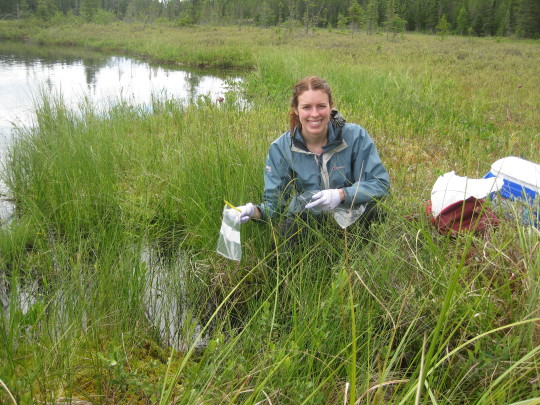
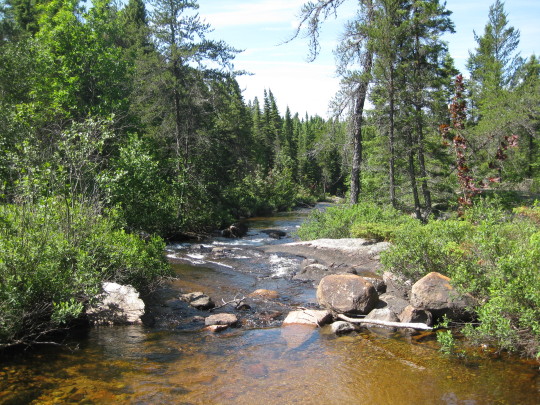
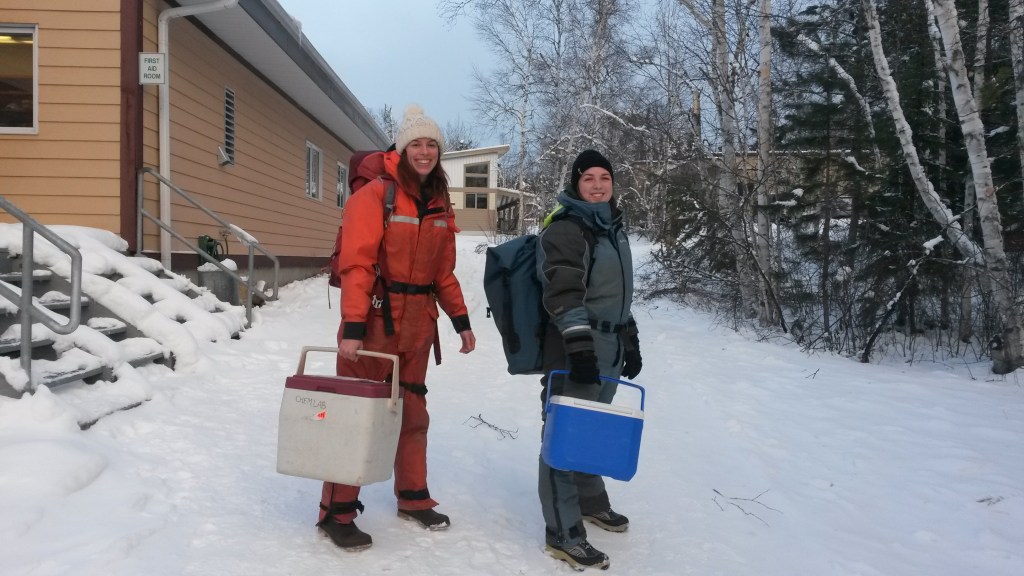
Photos from the lab


If you’re interested in collaboration on any of these themes, please get in touch.
 Nature Counts Research Group