
Nature Counts LAB
Dr. Joanne Littlefair
2025
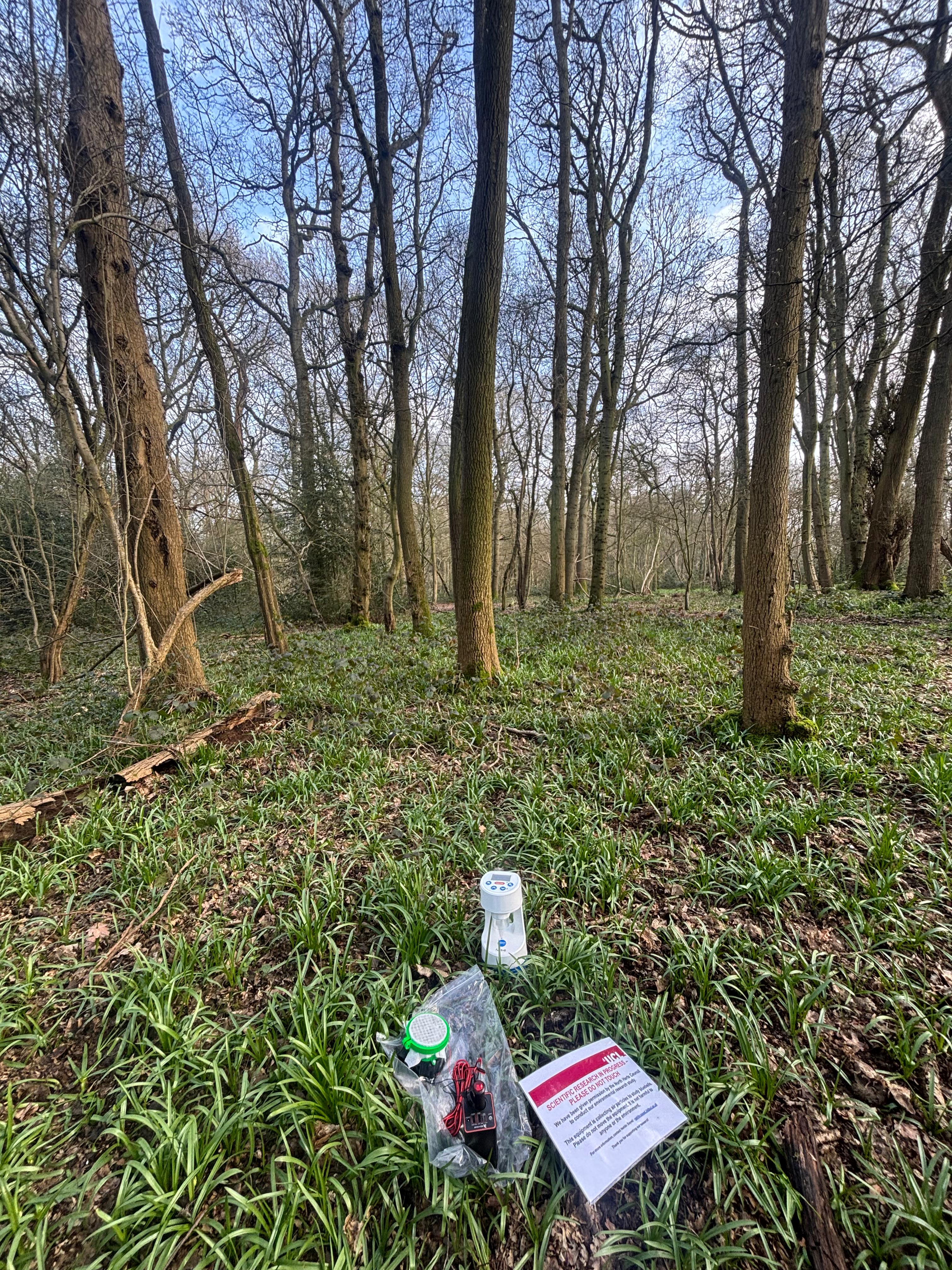
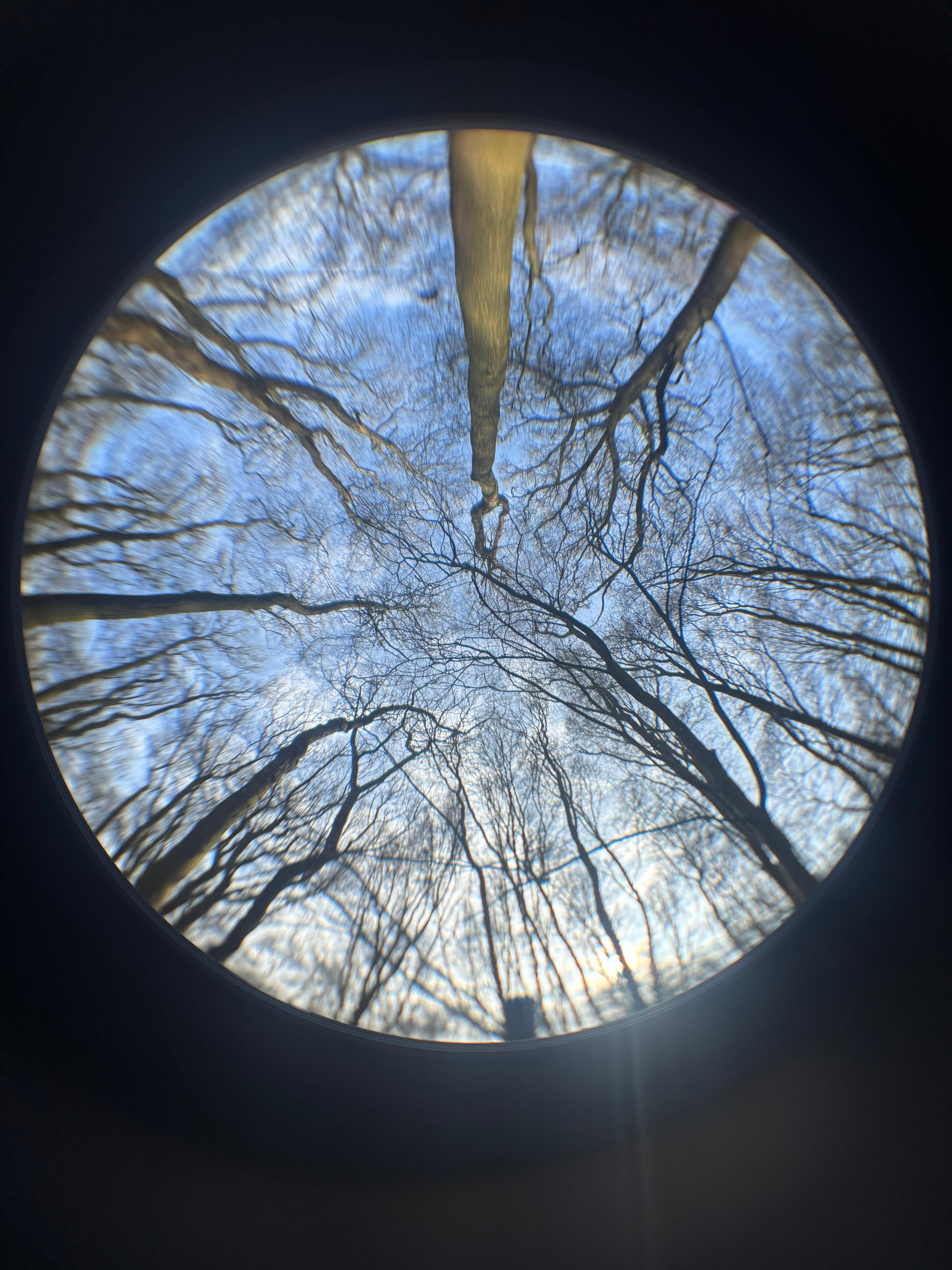
March 2026: Now that spring is starting to appear, fieldwork season has also commenced in the Littlefair lab. Nehlin Sayed has started her second PhD fieldwork season collecting airborne eDNA samples from three bluebell woods to analyse the phenology of bluebells to see how detection rates vary across their growth cycle as well as pollinator interactions with the bluebells.
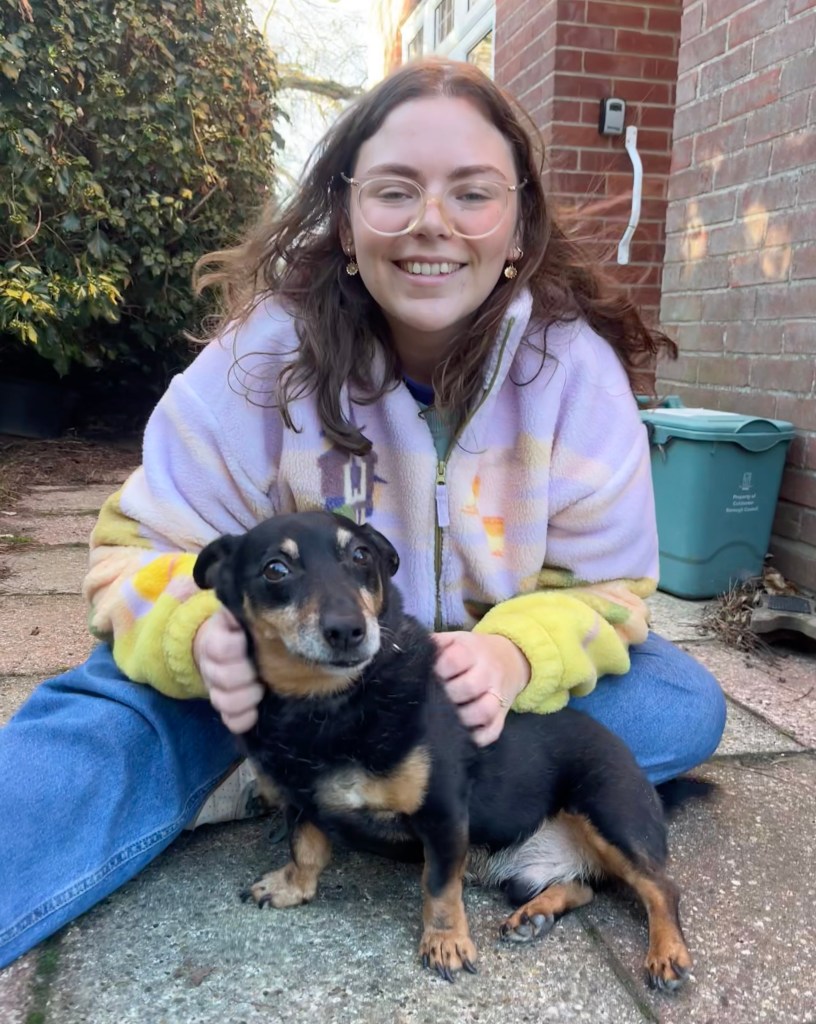
Feb 2026: Clare Cowgill joins us as a research fellow on the Future Leaders Fellowship after recently submitting her PhD at the University of Hull, where she investigated how non-invasive monitoring tools can be combined to detect terrestrial biodiversity and evaluate ecosystem recovery. Her research combined environmental DNA from water, soil and tree-roller samples with passive acoustic monitoring and camera trapping in rewilding contexts. She is particularly interested in how these approaches can move beyond species richness metrics to understand changes in functional diversity and network complexity.
Welcome Clare!
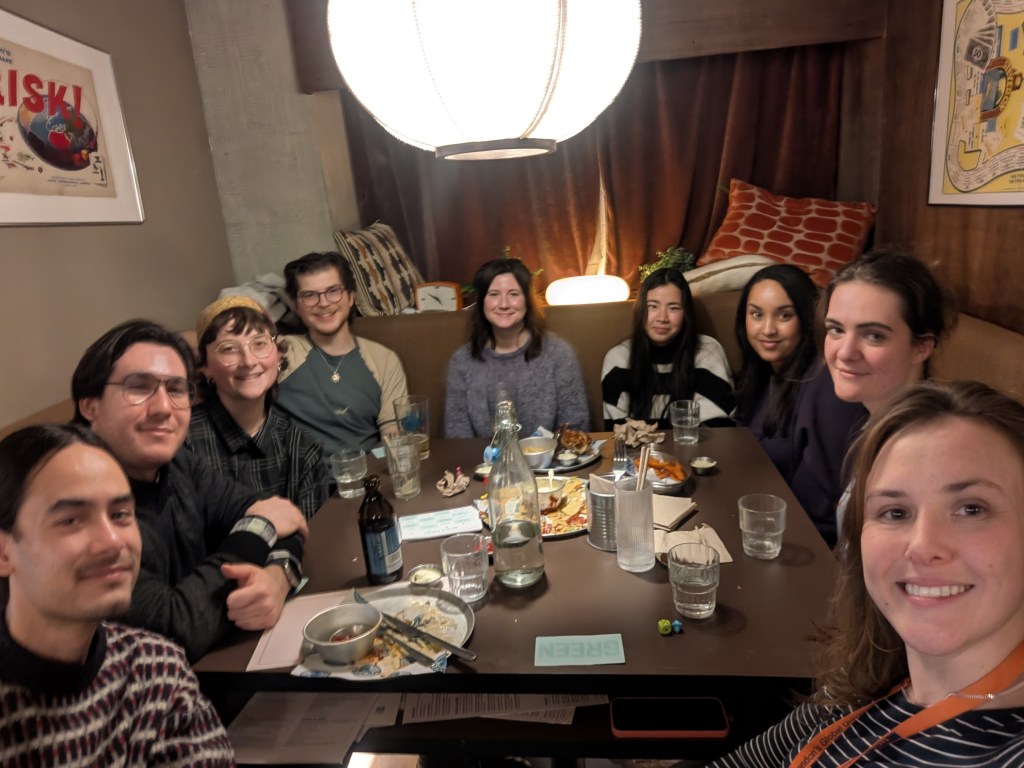
Jan 2026: The Littlefair lab went to a local board games cafe for a fun night of games and friendly competition.
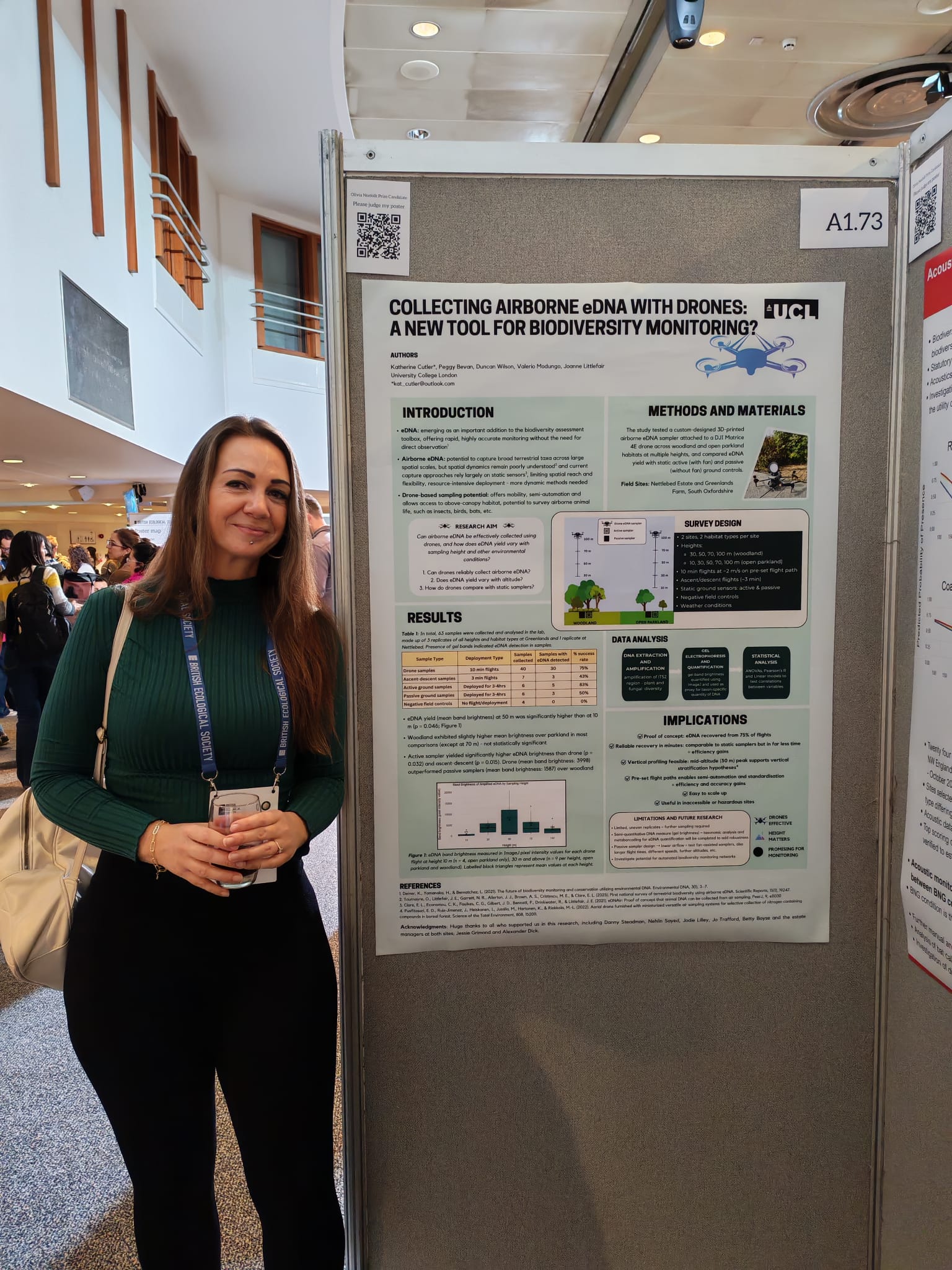
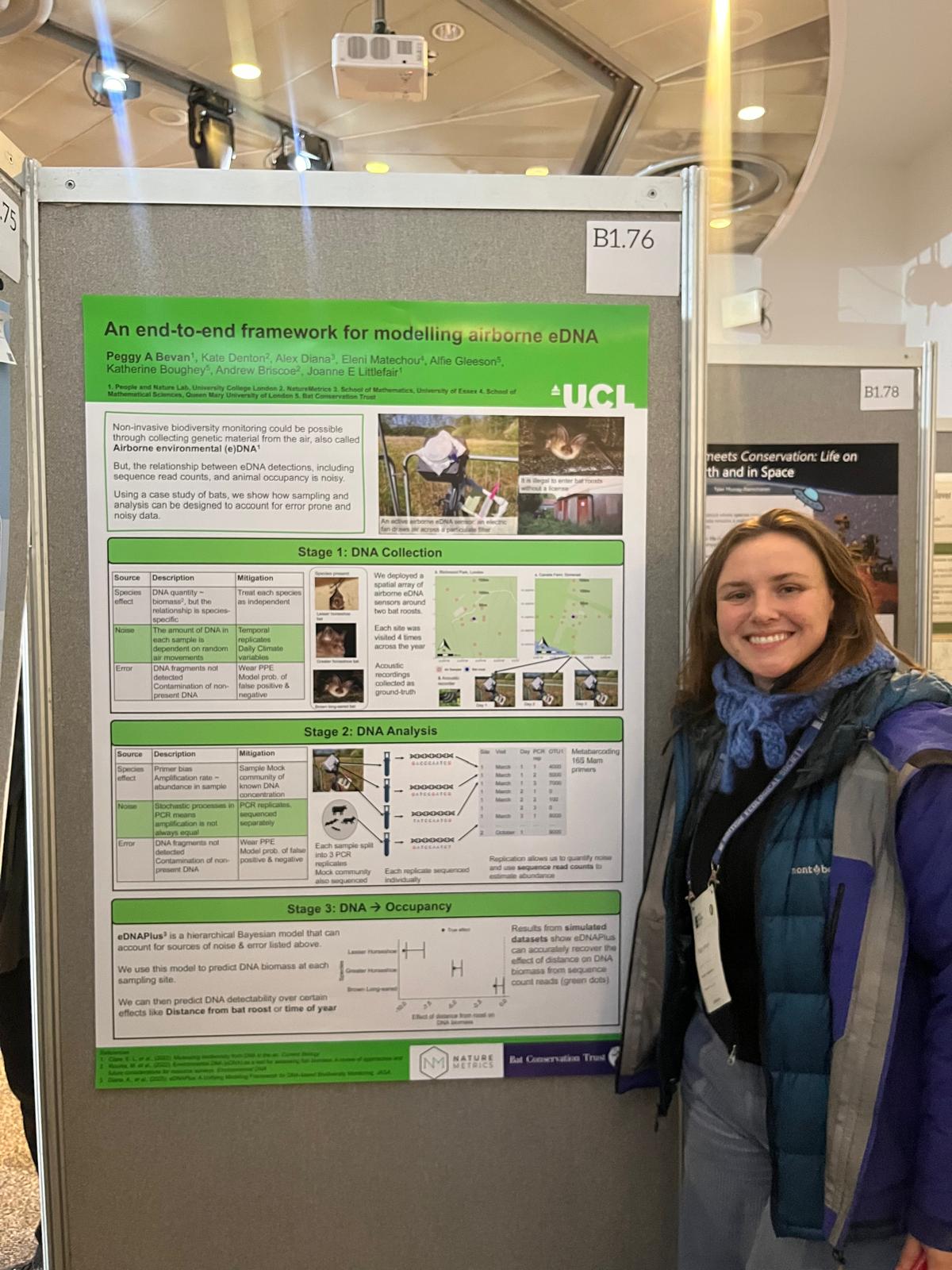
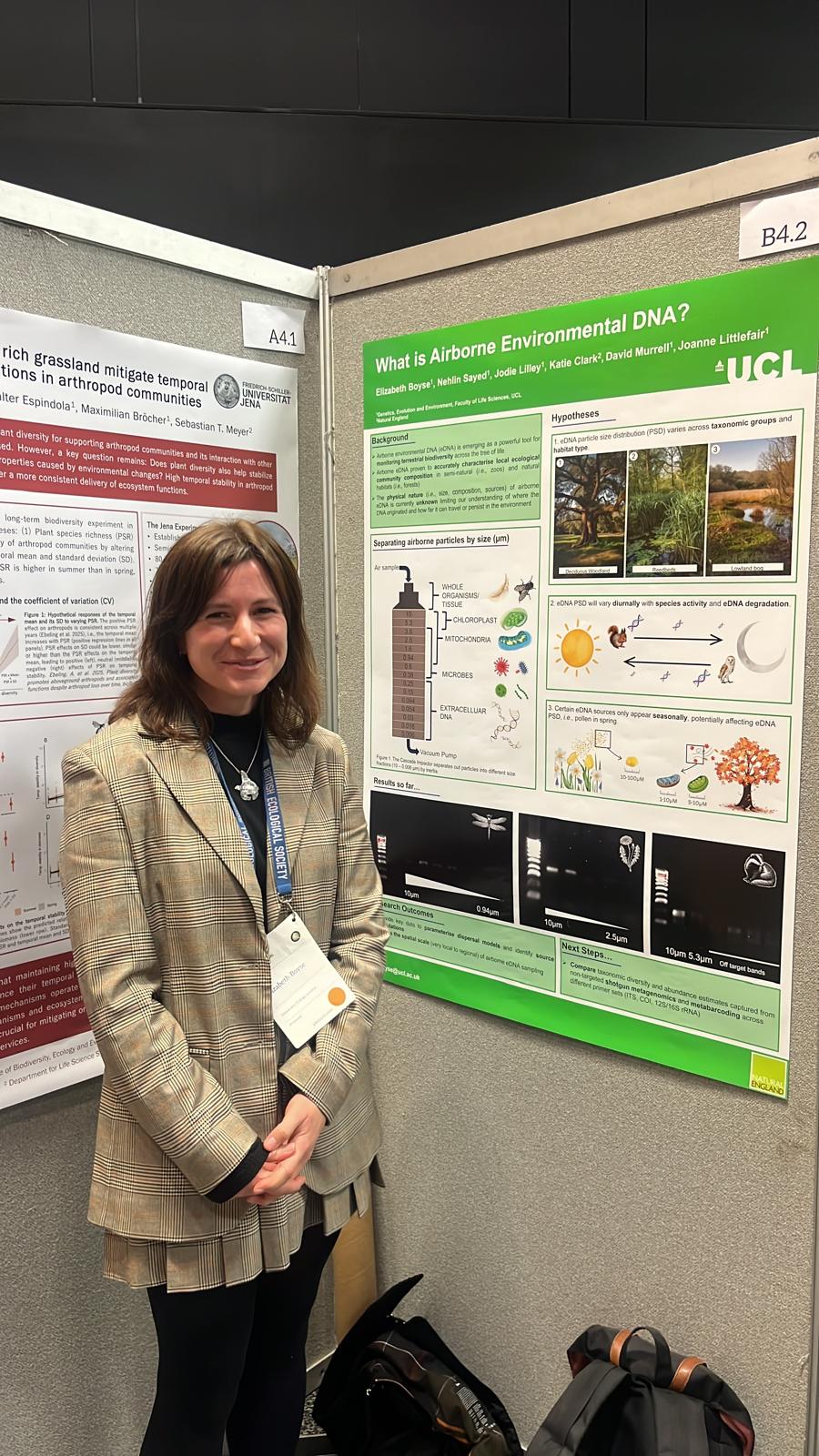
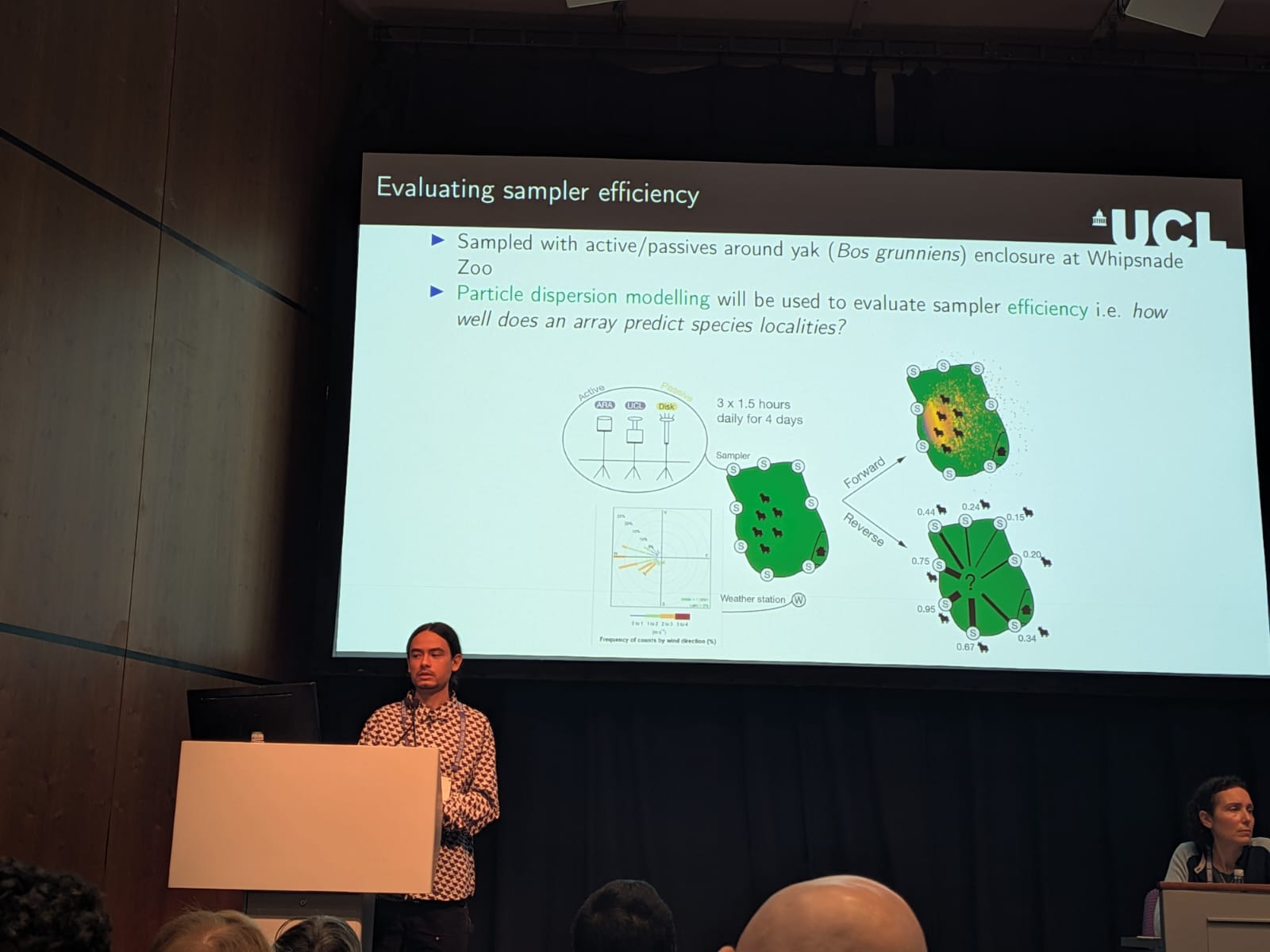
Dec 2025: Members of the Littlefair Lab had at fantastic time in Edinburgh at the BES Annual Meeting. Jo Trafford presented a brilliant talk about his work ‘Selecting and optimising an airborne eDNA sampling asset for terrestrial biodiversity monitoring.’ Peggy Bevan, Betty Boyse and Kat Cutler had posters showcasing their work on ‘An end-to-end framework for modelling airborne eDNA’, ‘What is airborne eDNA?’ and ‘Collecting airborne eDNA with drones’ respectively.

Oct 2025: Welcome to Si Feng who will be joining us to conduct her MSci project on the impact of the diurnal cycle on airborne eDNA particle size distribution.
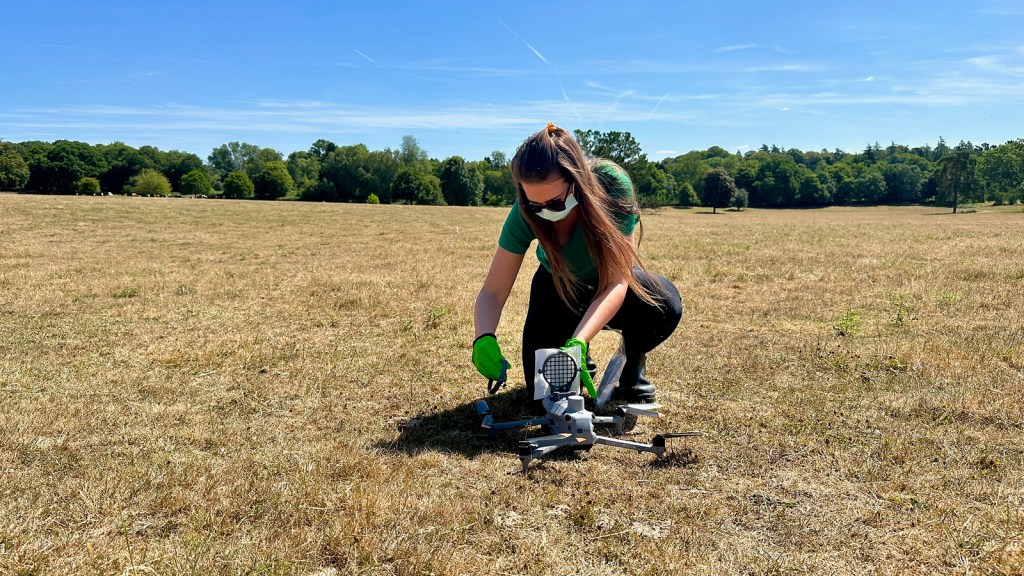
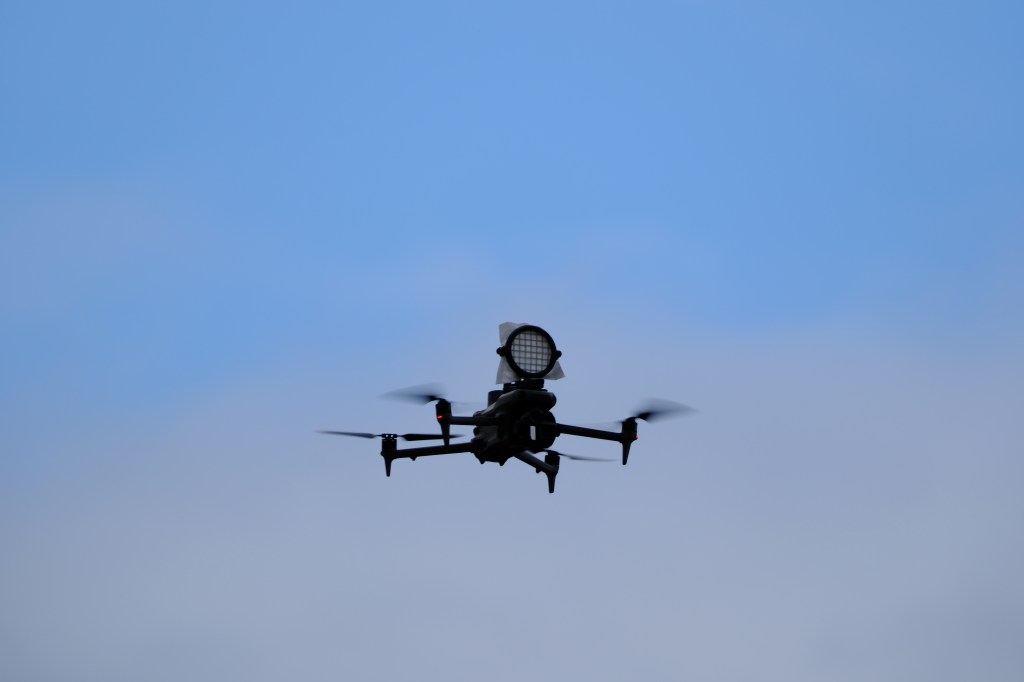
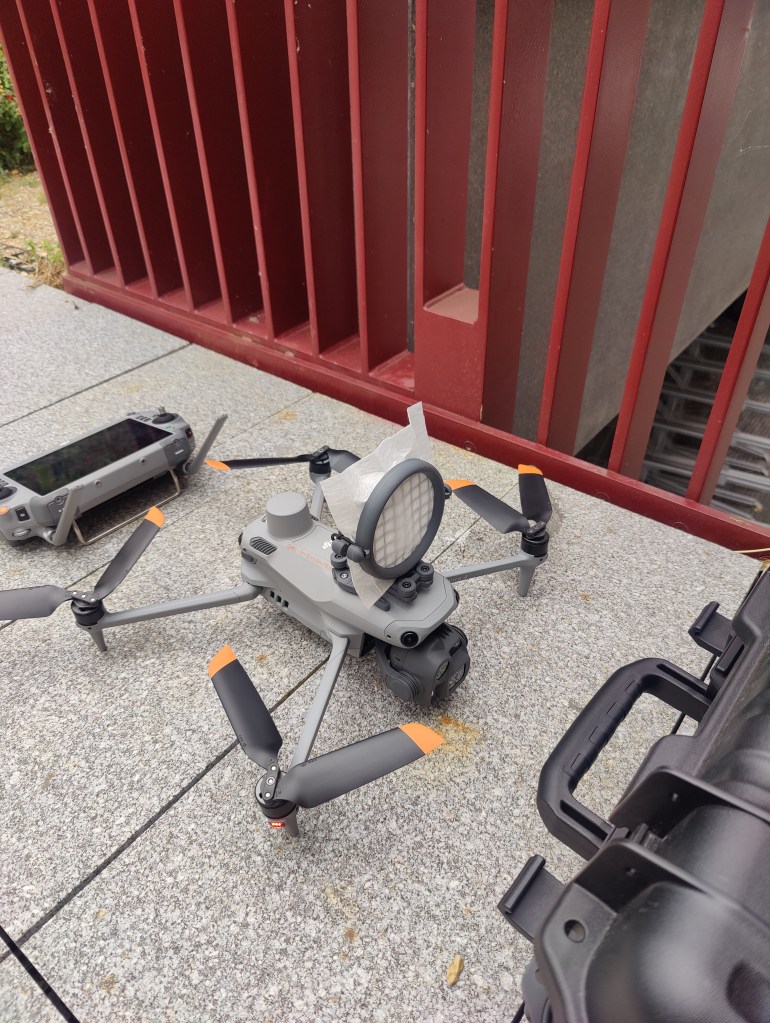
Sept 2025: Congratulations to Kat Cutler on the successful completion of her MRes project. Kat explored the potential of drones to collect airborne eDNA as a tool for rapid biodiversity assessment. The project tested how effective drones were at capturing airborne eDNA at different altitudes, comparing results to static airborne eDNA samplers, and investigating how programming pre-set flight paths can standardise and scale biodiversity surveys. The findings so far demonstrate the potential of semi-automated drone-based eDNA surveys to detect biodiversity patterns in the vertical dimension, especially important in logistically challenging or sensitive environments, providing efficient, scalable and flexible ecological monitoring.
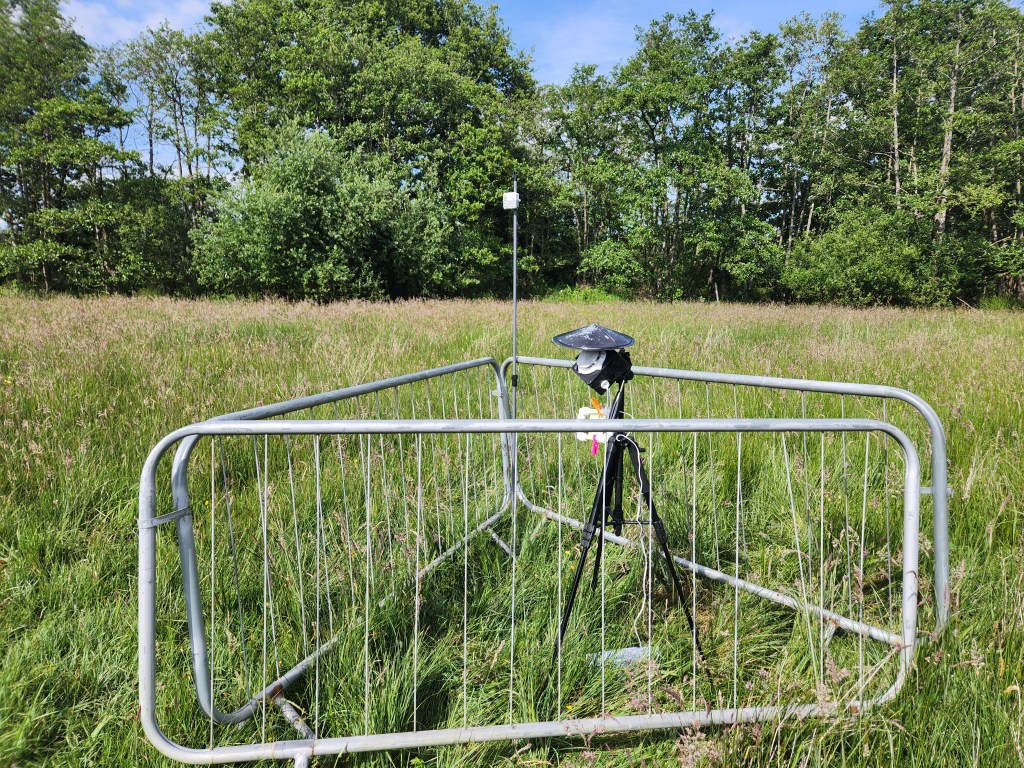
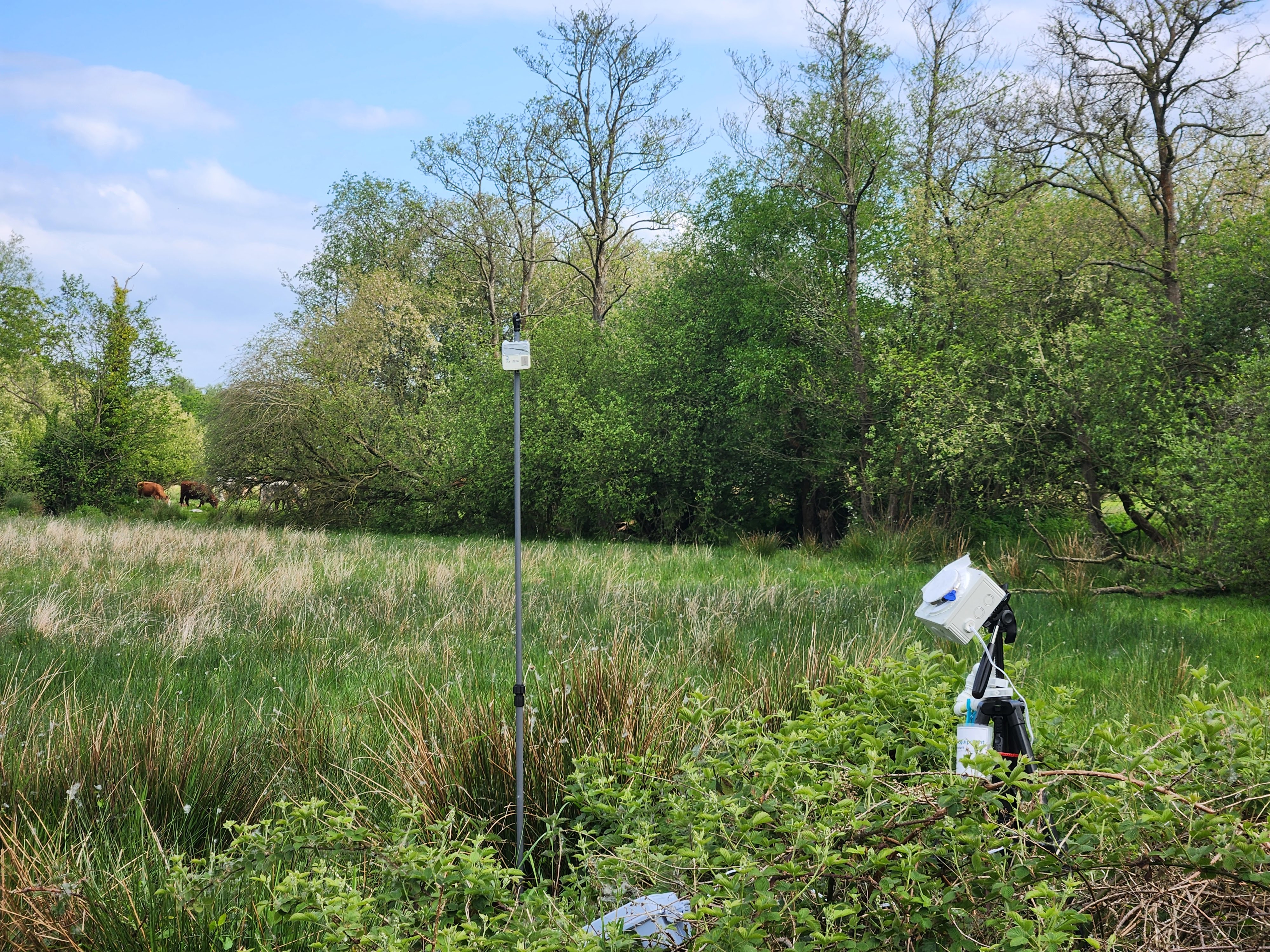
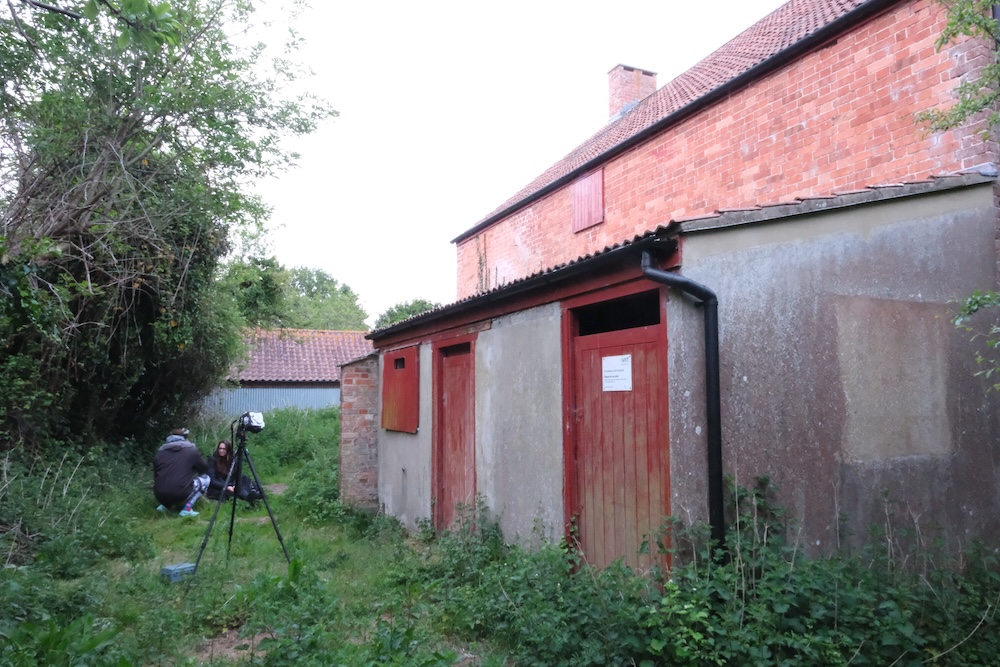
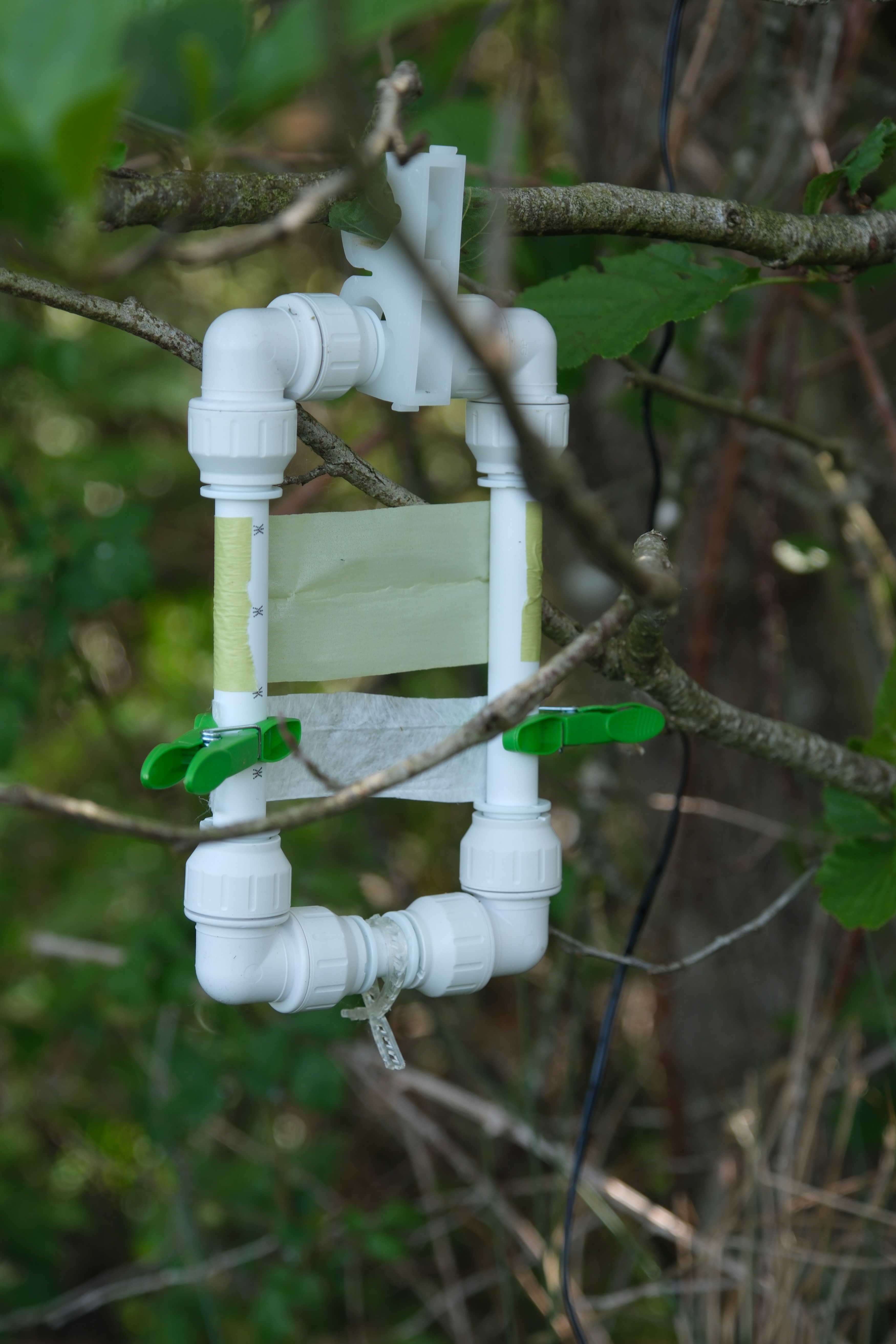
Sept 2025: Betty Boyse, Nehlin Sayed and Jodie Lilley have been conducting fieldwork across three Natural England National Nature Reserves covering different UK Priority Habitats: reed beds (Glastonbury), ancient oak woodland (Dartmoor), and lowland bog (south Yorkshire). They have been using a specialised instrument called a ‘Cascade Impactor’ that separates airborne particles by size to determine the size distribution of airborne environmental DNA (eDNA). They want to understand how particle size impacts taxonomic diversity captured, and track particle size distributions across diurnal and seasonal cycles. These data will shed light on the physical nature of airborne eDNA and potential sources of DNA (i.e., pollen, spores, organelles). Crucially, determining the size range of eDNA will improve the accuracy of dispersal models, allowing us to identify source populations and understand the spatial scales over which airborne eDNA can be applied for future terrestrial monitoring.
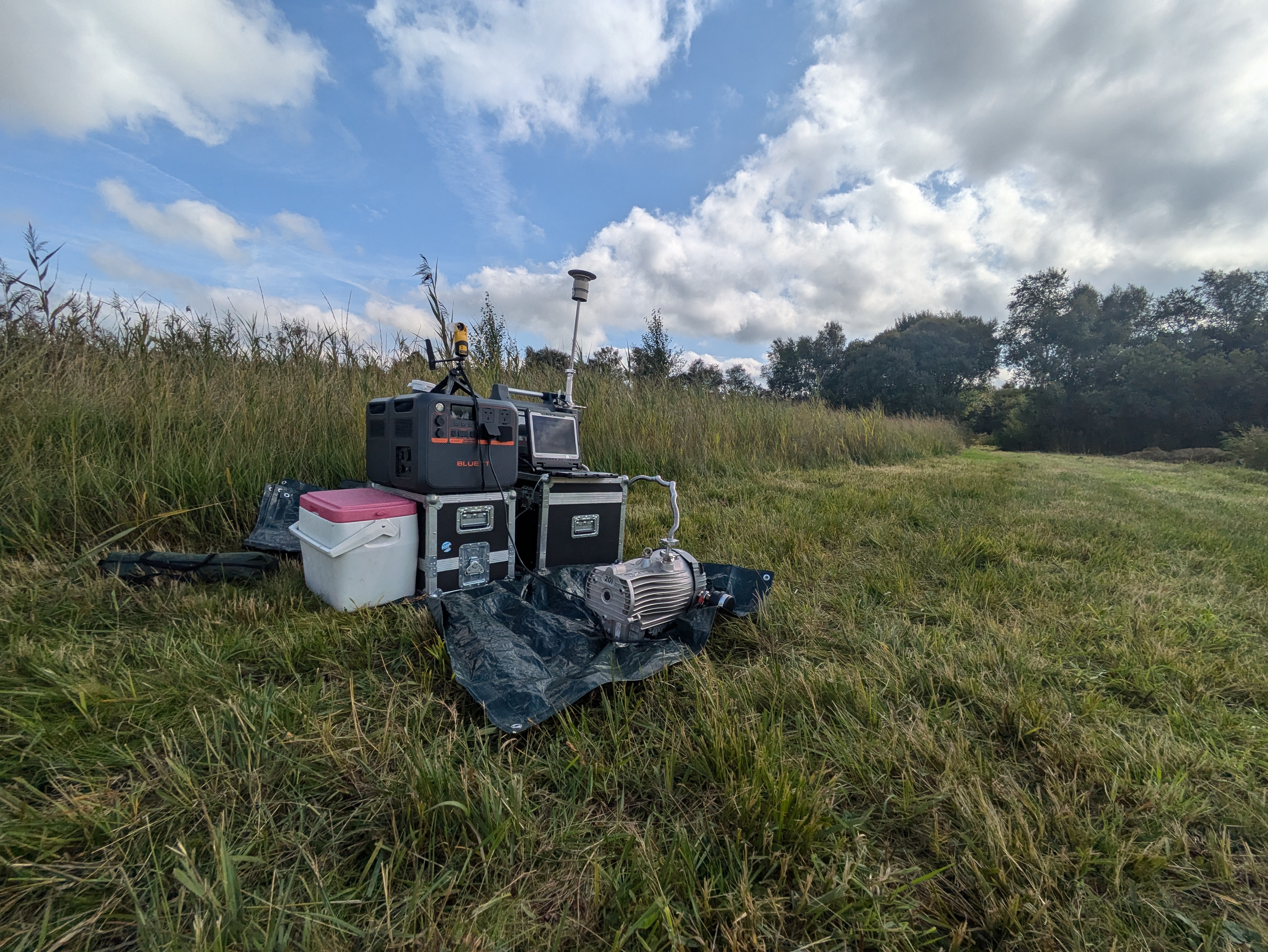
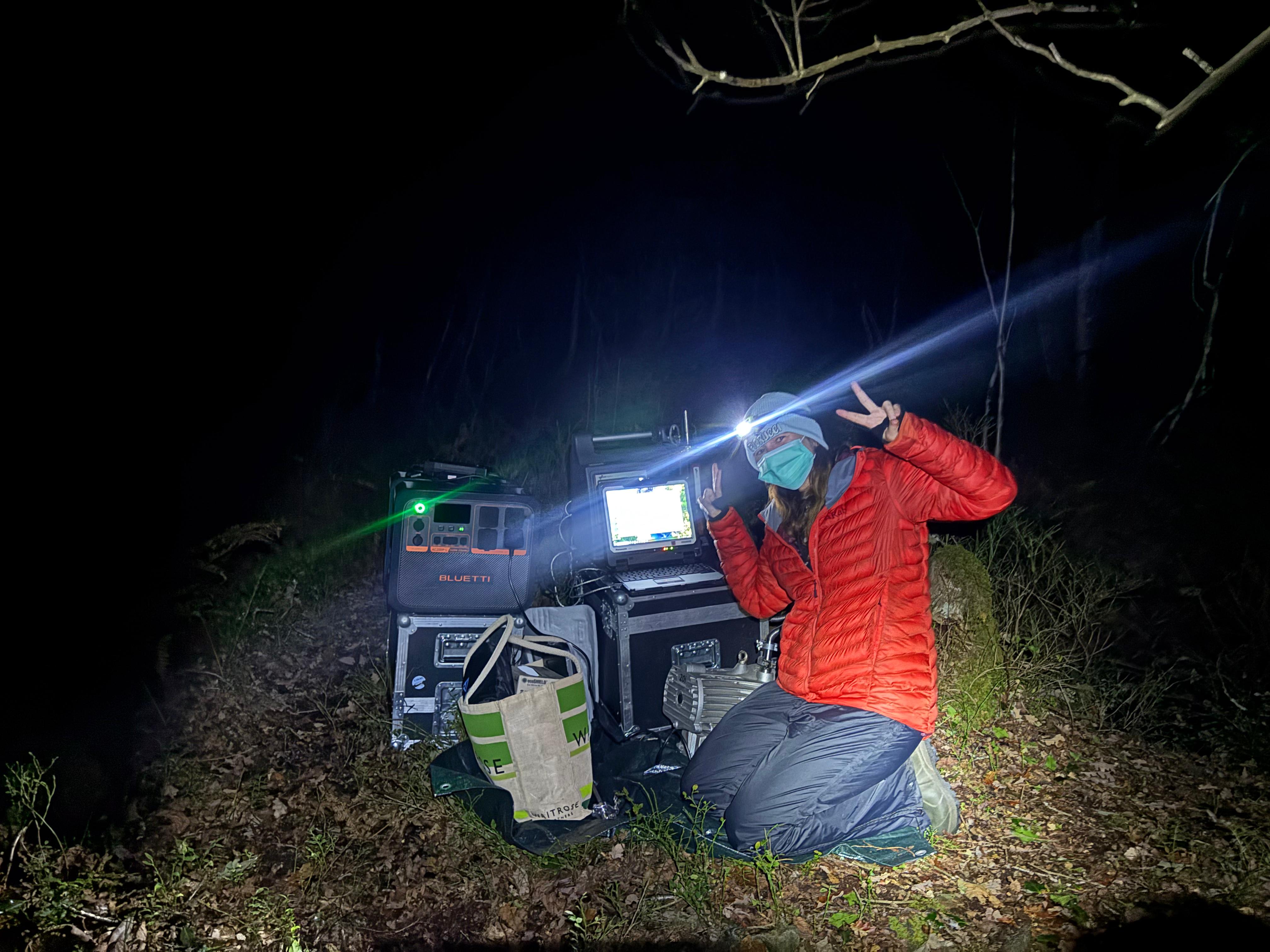
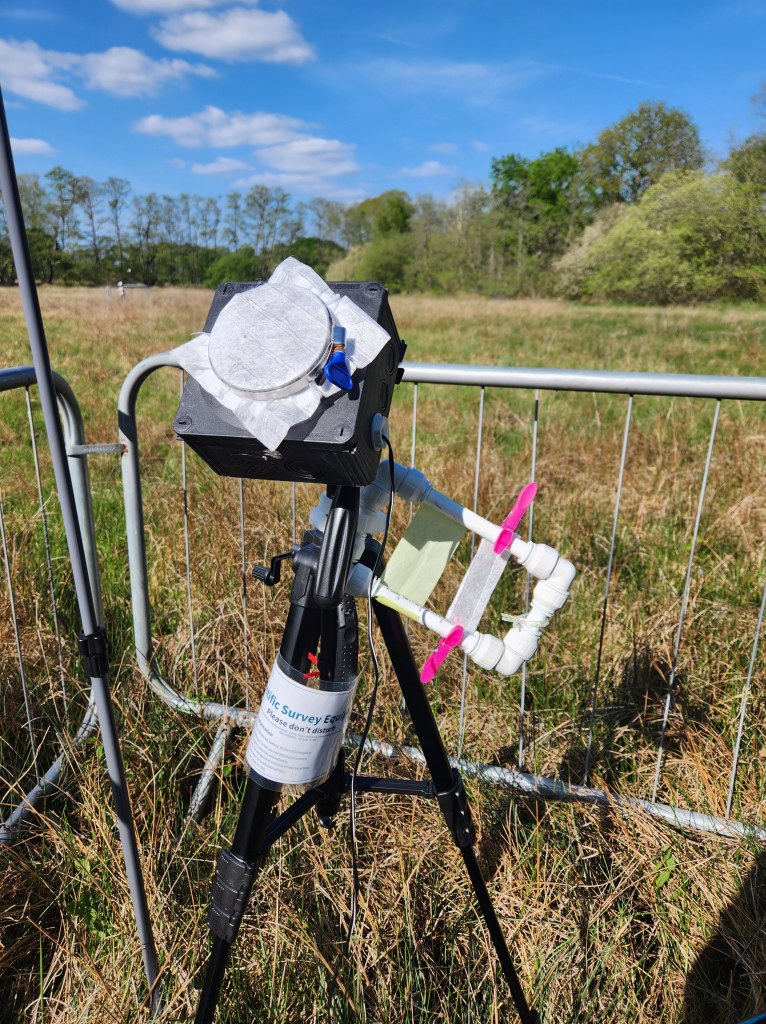
Sept 2025: Over the summer, Peggy Bevan has been collecting data as part of an Innovate UK funded project called ‘NatureAir’, working alongside NatureMetrics and the Bat Conservation Trust. They have been visiting two UK field sites in Somerset and Richmond park and setting up active & passive air samplers to extract genetic material from the air around an active bat roost. The active samplers work by drawing air across filter papers, causing any genetic material in the air to become stuck on the filter. Our partners at NatureMetrics have taken the samples back to the lab and will extract & sequence any DNA on the filter papers, primarily focusing on bats and invertebrates. We also collected acoustic data as an alternative measure of bat activity levels near each sensor.
By collecting our samples around a known source of bat activity (the roost), we hope to better understand how DNA moves through the environment & quantify detection distances for our samplers. This will have a massive impact on the commercial application of airborne eDNA for bat surveys.
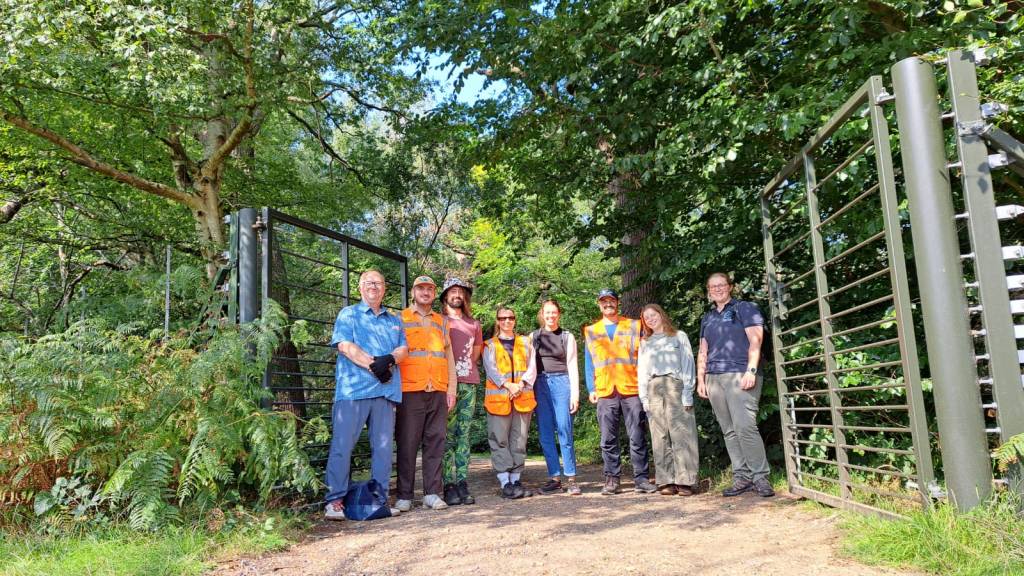
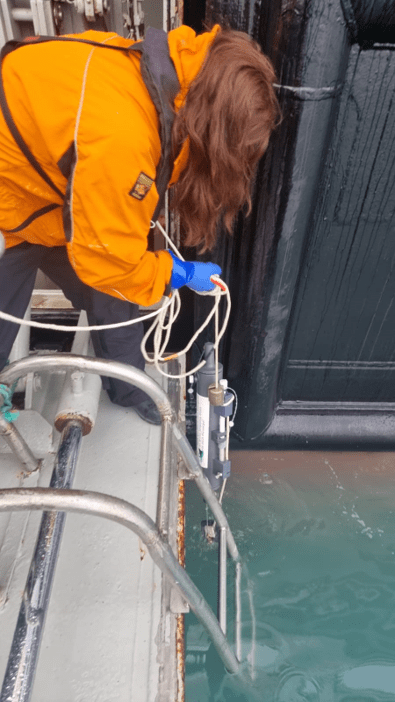
Sept 2025: Betty Boyse is the lead author on a recent publication in Global Change Biology entitled ”Expanding monitoring capacity for potential invasive species in Arctic Canada with environmental DNA.” Reduced sea ice across larger areas for longer periods has led to exponential increases in shipping traffic in Arctic Canada, heightening the risk of marine invasive species arriving. This paper explores the use of ships of opportunities (such as cruise ships) coupled with seawater environmental DNA sampling to expand monitoring efforts to enable early invasive species detections, targeting areas with highest increases in shipping traffic. They report the first detections of a prolific invasive species, the bay barnacle (Amphibalanus improvisus), in Arctic Canada.
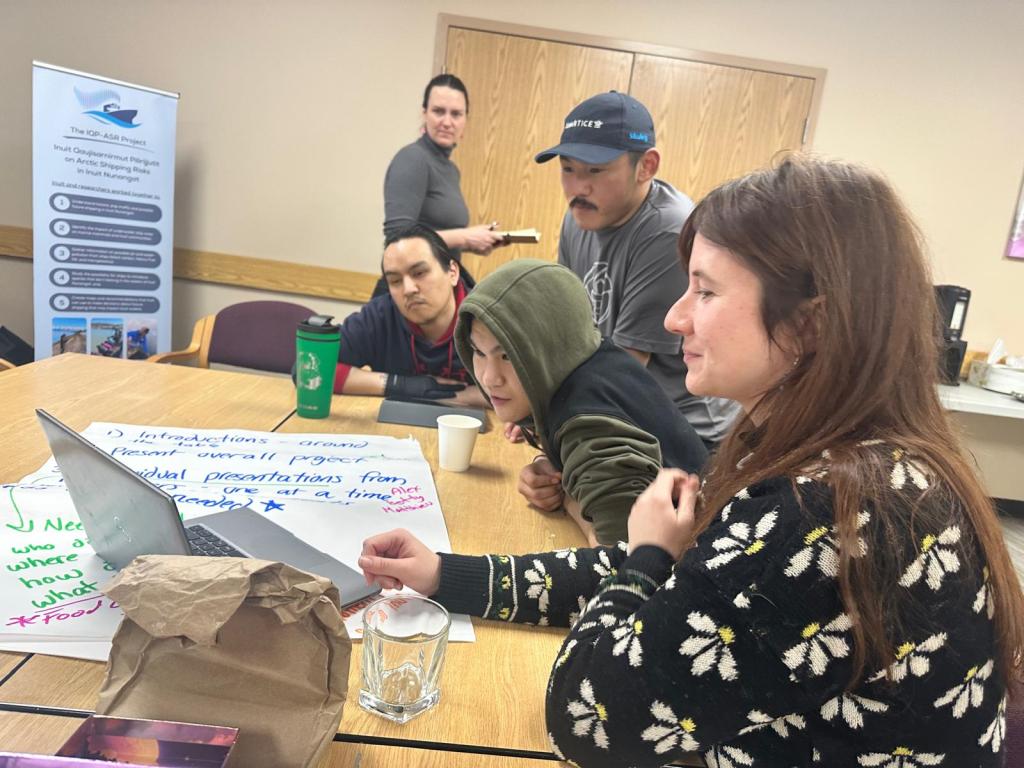

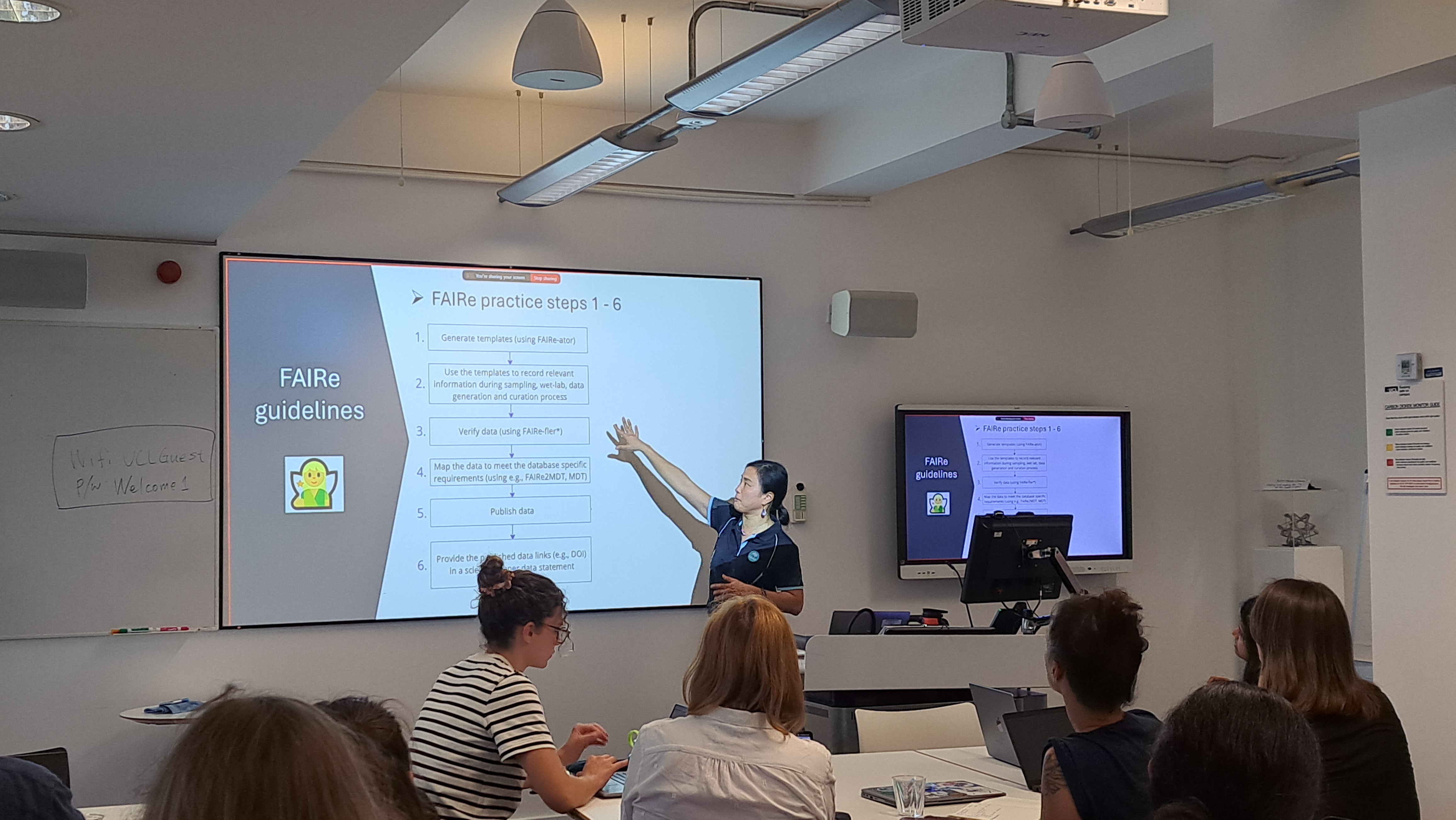
July 2025: Joanne co-hosted the ‘FAIR eDNA’ workshop with Miwa Takahashi (CSIRO), Will Millard (NBN), Nick Dunn and Lynsey Harper (Natural England) at UCL, with members of the Littlefair lab in attendance. We had a very informative and interesting day learning about how to share our eDNA results the FAIR (Findable, Accessible, Interoperable, Reusable) way to ensure the long-term value of our data.

July 2025: Peggy Bevan, Kat Cutler (BEC MRes), and colleagues from NatureMetrics have been on fieldwork in Somerset collecting data for the Innovate UK project ‘NatureAir’. They used active & passive air samplers to extract genetic material from the air around an active bat roost. The active samplers work by drawing air across the filter paper, causing any genetic material in the air to become stuck on the filter. Their partners at NatureMetrics have taken the samples back to the lab and will extract & sequence any DNA on the filter papers, primarily focusing on bats and invertebrates. They also collected acoustic data as an alternative measure of bat activity levels near each sensor. Collecting samples around a known source of bat activity (the roost) should help us to better understand how DNA moves through the environment & quantify detection distances for samplers. This will have a massive impact on the commercial application of airborne eDNA for bat surveys.
June 2025: The lab presented at group and departmental retreats. Nehlin presented at the CBER retreat with her PhD research, and Joanne gave a talk at the GEE Away Day on Conflict in Science called “Conflict and collaboration in an interdisciplinary project: developing paradigms, questions and careers together”. This focused on the lab’s collaboration with physicists including with those at the National Physical Laboratory.
June 2025: Welcome to Dr Betty Boyse and Jodie Lilley! They will be joining us as a Research Fellow (Betty) and Research Technician (Jodie) on the Future Leaders Fellowship.
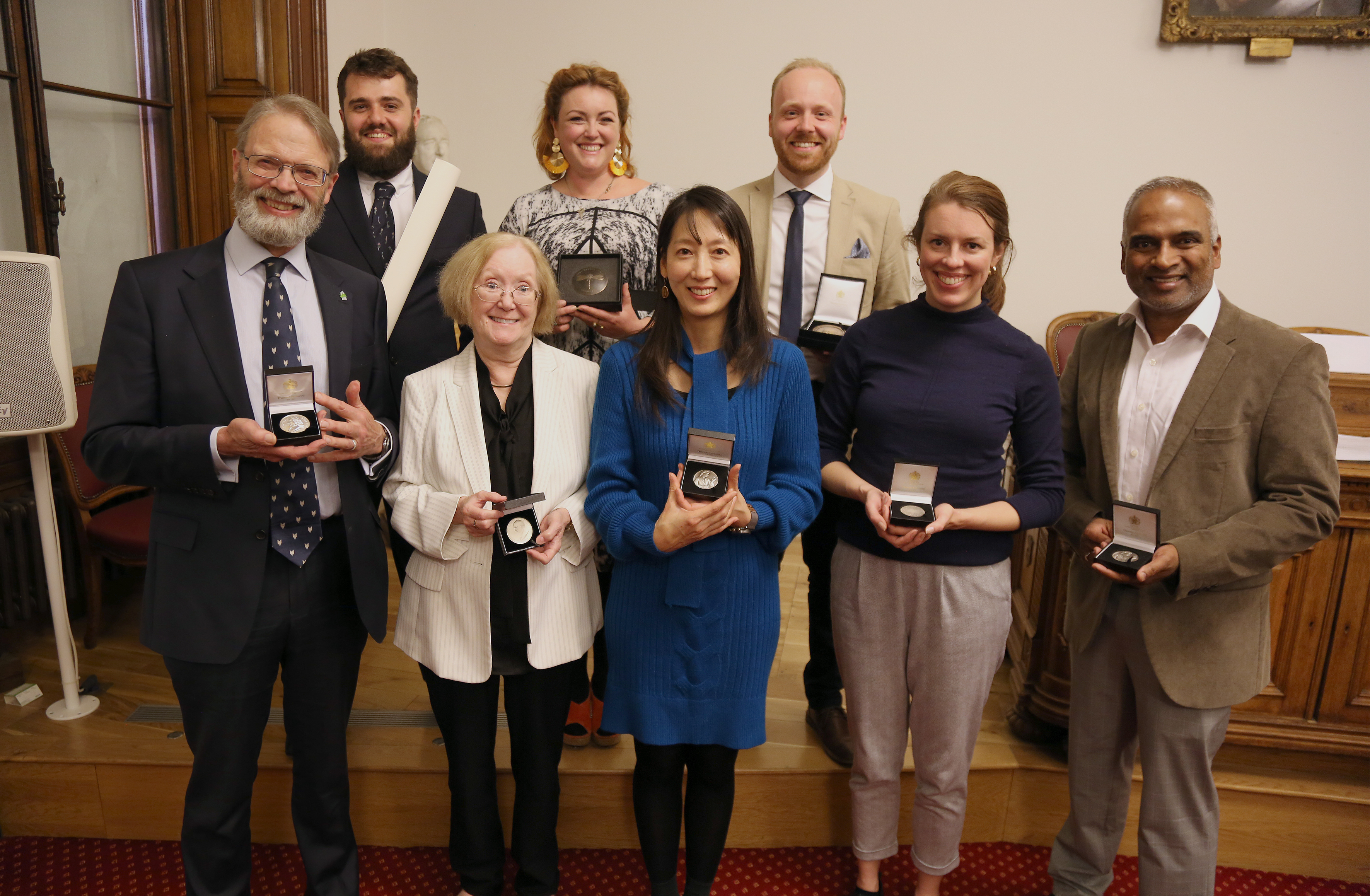
May 2025: Joanne was awarded the Bicentenary Medal from the Linnean Society of London for early career work in natural history [news articles: Linnean Society, UCL].

April 2025: Welcome to Kat Cutler and Zhenyan Ning for MRes and MSc projects this summer. Kat will be focusing on patterns of airborne environmental DNA collected at height with drones, and Zhenyan will investigate the role of preservation buffers for fieldworkers taking eDNA samples.
February 2025: The lab provided a demo of the air sampling instruments and mobile field sequencing machines to the Princess Royal at her UCL East visit including the People and Nature Lab [news article]
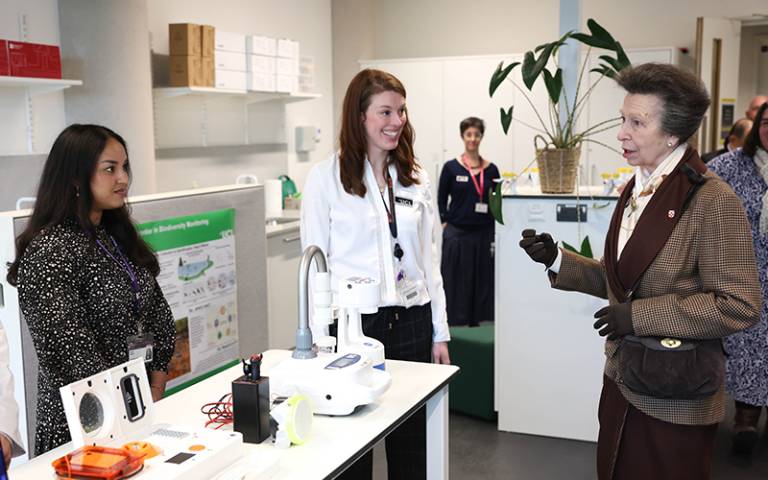
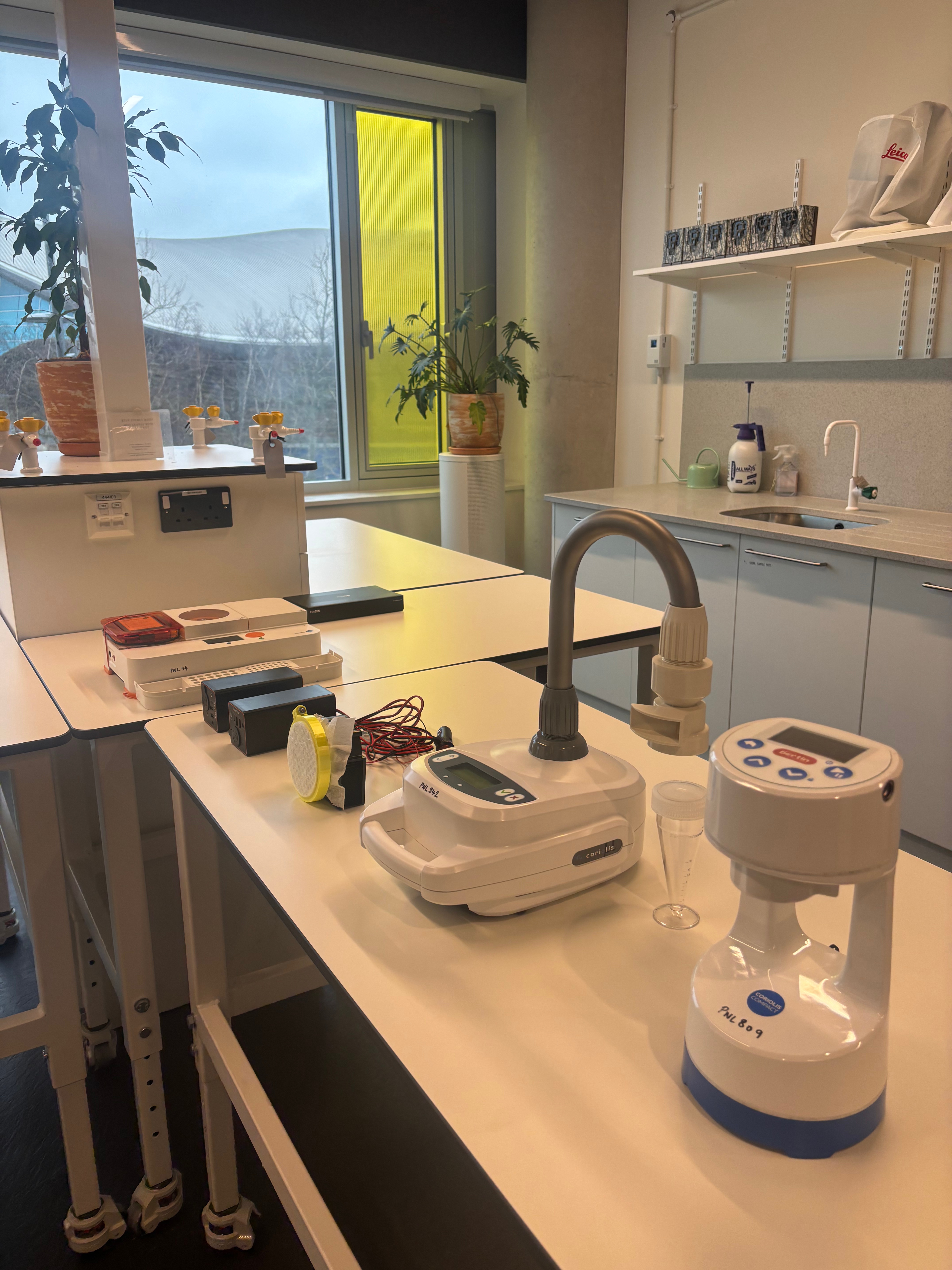
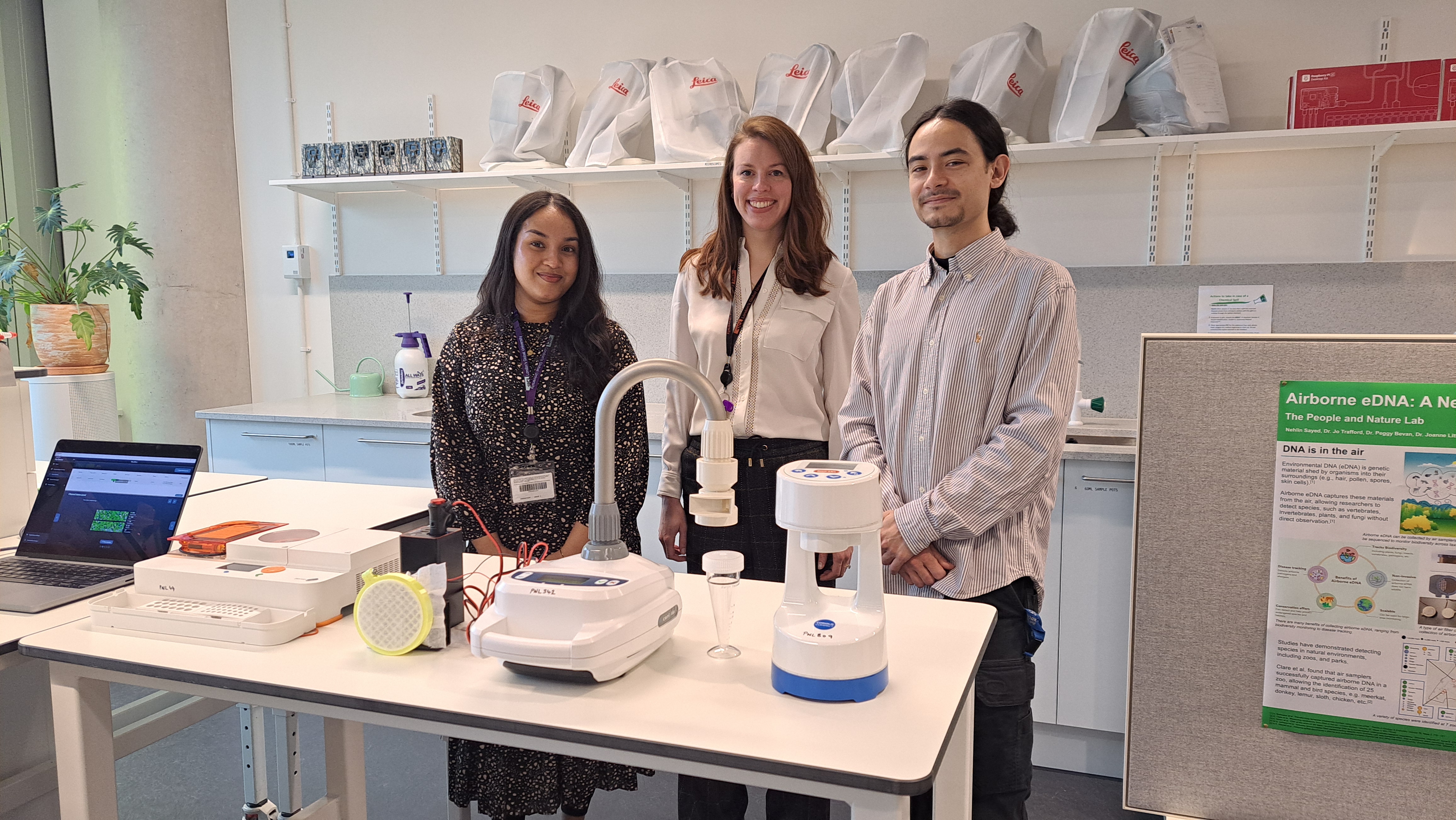
February 2025: Welcome to Dr Peggy Bevan who will be leading spatial modelling on our Innovate grant, alongside Kate Denton at NatureMetrics and Katherine Boughey and Alfie Gleeson at the Bat Conservation Trust.
January 2025: We have published our collaborative paper with NatureMetrics and the West Sutherland Fisheries Trust on the detection of arctic charr, a native fish threatened by warming habitat.
2024
November 2024: Welcome to Jo Trafford who is joining the lab from Prof Julia Day’s group at UCL. During his postdoc, Jo will evaluate instrumentation and methodology to capture airborne eDNA as part of our “Innovation in Environmental Monitoring” NERC grant.
I have visited Bangor University and the University of Sheffield to give departmental seminars. Thanks to Si Creer and Terry Burke for hosting me.
October 2024: Welcome to Nehlin Sayed who begins her PhD in the lab, co-supervised by Prof David Murrell. Nehlin will work on signals of phenology and seasonality as detected by airborne eDNA.
September 2024: I have been awarded an ERC Starting Grant, TerrDNA “A novel technology for conservation: Understanding terrestrial biodiversity, phenology and ecosystems using airborne environmental DNA”
July 2024: I have been awarded a UKRI Future Leaders Fellowship, a £1.96m award to develop research and leadership in the area of biodiversity monitoring.
April 2024: I have been awarded a NERC “Innovation in Environmental Monitoring” programme grant
2023
December 2023: The lab will be moving to UCL in January 2024 to join the interdisciplinary People and Nature Lab! PNL is a collaborative group of researchers working towards solutions for the biodiversity crisis combining themes of ecology, zoonotic disease, tech, sensors, the built environment and climate change. Watch this space for developments!
2022
July 2022: Our work on environmental RNA for species detection is published in Molecular Ecology Resources. Read the open-access article here. We found that eRNA can be sampled under the same field conditions as eDNA and had a small but significantly greater true positive rate than eDNA, indicating that it correctly detects more species known to exist in the lakes.
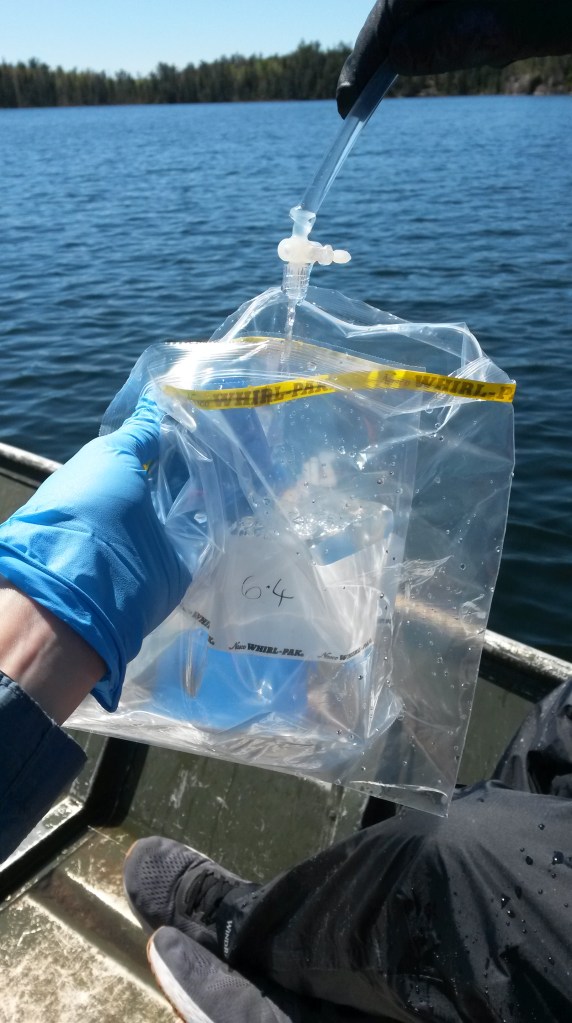
May 2022: I went to University of Zurich to give a talk in their seminar series. Thank you to Sofia van Moorsel and the lab of Professor Kristy Deiner for hosting me.
April 2022: What do you do when you find a preprint of very similar work to your own being conducted? Our iScience backstory article about co-ordinating back-to-back publications on sampling terrestrial biodiversity from air with Kristine Bohmann and Christina Lynggaard in Current Biology is out. Read the backstory here.
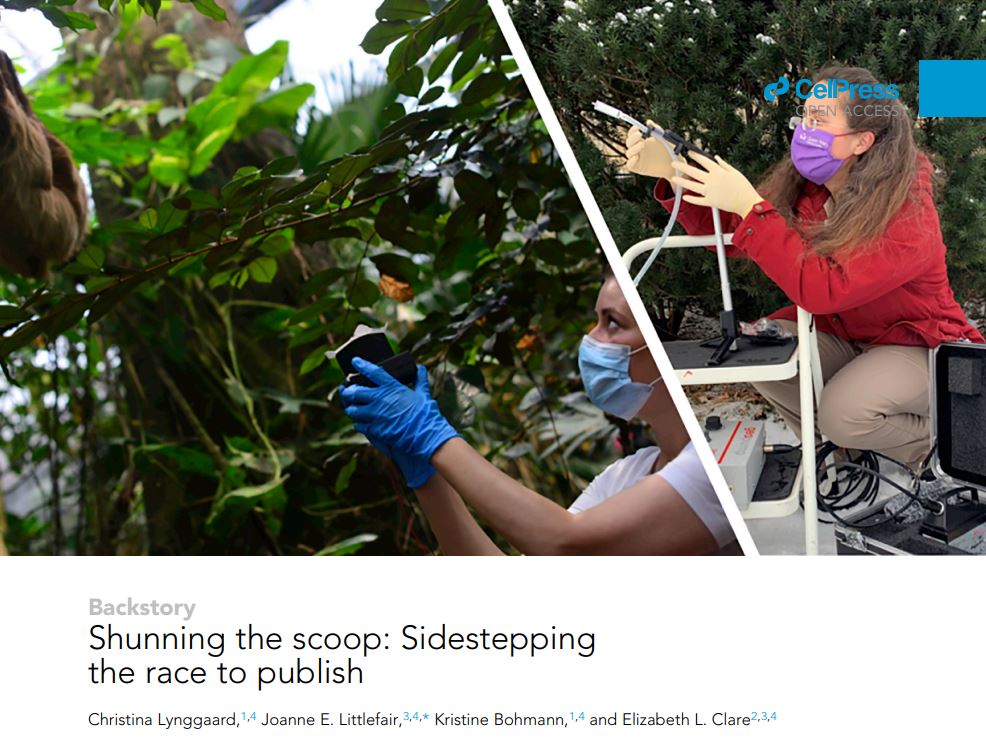
January 2022: An exciting start to the year, Beth Clare and I share the cover of Current Biology with Kristine Bohmann and Christina Lynggaard for our back-to-back publications on detecting vertebrate biodiversity from air. Read our pdf here.
Media coverage of the paper by Quirks and Quarks, Financial Times, the Guardian, New Scientist, Scientific American, ScienceDaily, the Natural History Museum, Smithsonian Magazine, National Geographic (in Spanish).
 Nature Counts Research Group