

Joanne Littlefair: Principal Investigator
I am a researcher interested in the intersection between biodiversity, technology and society at the People and Nature Lab at UCL East. I create and research new ways to monitor and understand biodiversity because in many cases we do not have a good understanding of what is there and how it is changing. I’m particularly interested in studying habitats that have been heavily altered by human activity and how these areas can be managed to benefit nature.

Dr Jo Trafford: NERC Research Fellow 2024-
I am a post-doctoral research fellow interested in how we can use emerging molecular technologies to address challenging questions involving people and biodiversity. I am working with Joanne on her NERC Innovation in Environmental Monitoring grant, to create, optimise and validate an airborne sampling asset for monitoring terrestrial biodiversity.
I am developing, testing and comparing methods to capture and analyse airborne eDNA across broad taxonomic groups such as fungi, plants, invertebrates and vertebrates. I am also working to understand the spatial and temporal resolution of airborne eDNA data. I work with partners across the UK to explore how this technology can contribute to national monitoring targets, so that we can improve and sustain our ecosystems.
I previously worked with environmental DNA to study East African freshwater fish communities, invasive insect pests in the UK, and develop methods for the surveillance of amphibian pathogens in commercial trade.
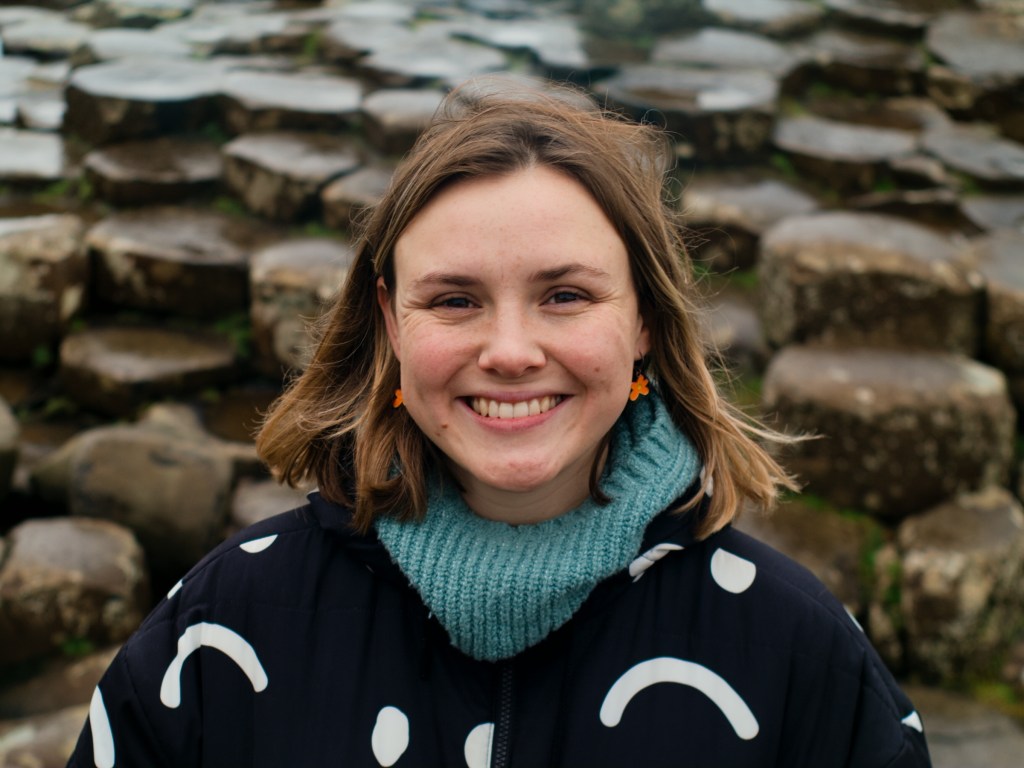
Dr Peggy Bevan: Innovate Research Fellow 2025-
I am a PostDoctoral Research Fellow working on statistical modelling of airborne eDNA. My research is very interdisciplinary and I have an interest in different technologies for biodiversity monitoring, especially those that can provide rapid ecosystem assessments. Previously, I have worked with camera traps and acoustic monitoring and used machine learning methods to automate data analysis. I have also collaborated with robotics experts to consider how autonomous drones can be used for biodiversity monitoring. In the Littlefair lab, I am investigating how data from airborne eDNA can be used for biodiversity monitoring through the use of occupancy models, specifically for bats.
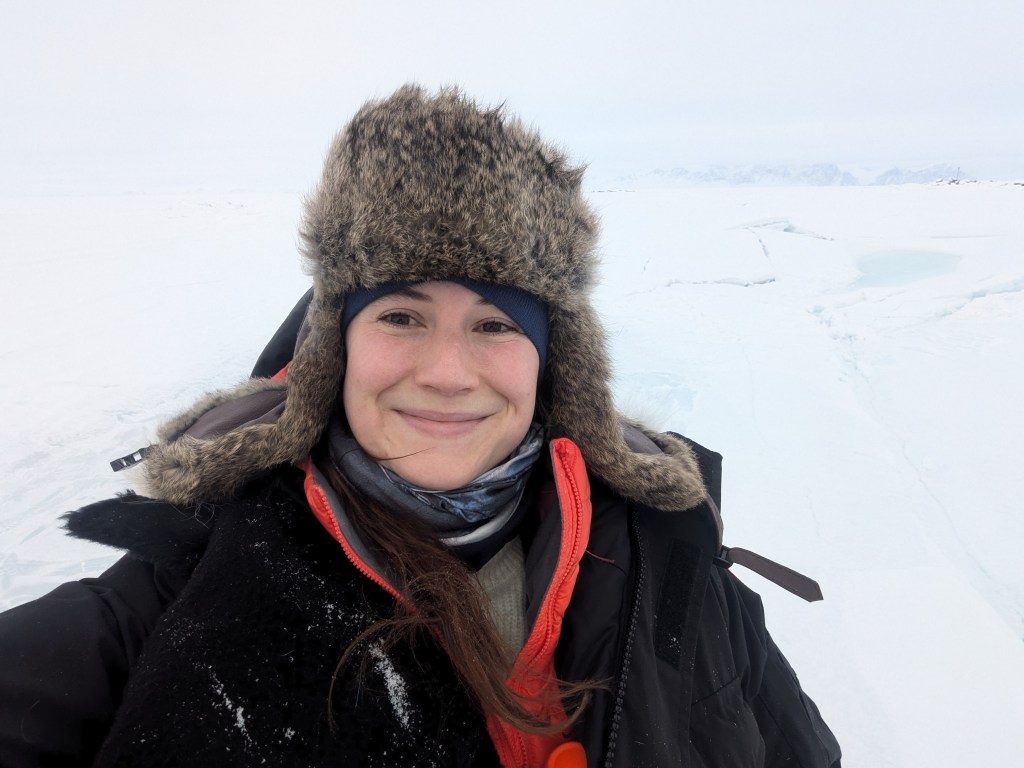
Dr Betty Boyse: FLF Research Fellow 2025-
I am a molecular ecology postdoctoral research fellow, specialising in the use of environmental DNA (eDNA) technologies to improve biodiversity monitoring and support effective conservation efforts. I have previously researched how eDNA metabarcoding can improve our understanding of marine mammal habitat use in relation to key prey species, enhance our knowledge of biotic interactions across ecosystems and increase monitoring capacity of invasive species. I will be working on Joanne’s Future Leaders Fellowship to characterise the nature and dispersion of airborne eDNA. Specifically, I will be working on long-term eDNA datasets collected from national air quality networks across Europe and beyond to investigate temporal variation in community composition and longitudinal biodiversity patterns, with the overall aim of understanding of how communities are responding to human impacts.
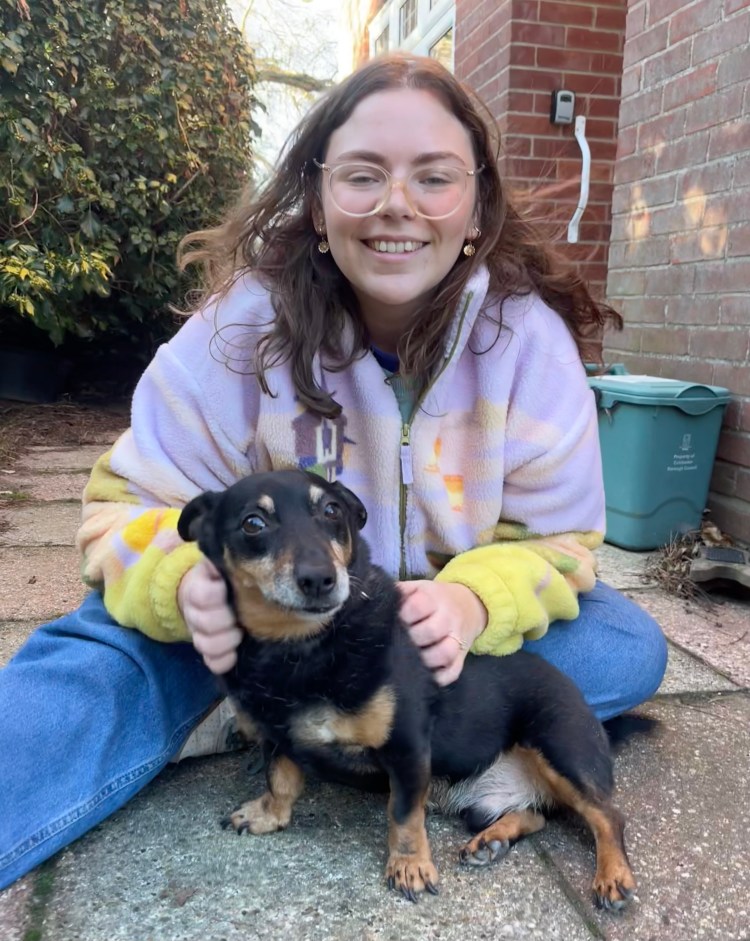
Clare Cowgill: FLF Research Fellow 2026-
I am a postdoctoral research fellow interested in how eDNA can be used to understand whole ecosystem functioning, and how we can best integrate eDNA methods alongside other biodiversity monitoring tools. My previous research has focused on monitoring terrestrial biodiversity with eDNA from water, soil and tree roller sampling, applying these approaches within rewilding contexts to understand changes in functional diversity and trophic interactions. I also explored ways to integrate this eDNA data with passive acoustic monitoring and camera traps to develop a more complete understanding of ecosystem dynamics.
I am working with Joanne on her Future Leaders Fellowship to investigate temporal trends in biodiversity using airborne eDNA collected through air quality monitoring networks. In particular, I will explore how networks of taxonomic associations shift over time and in response to environmental stressors.
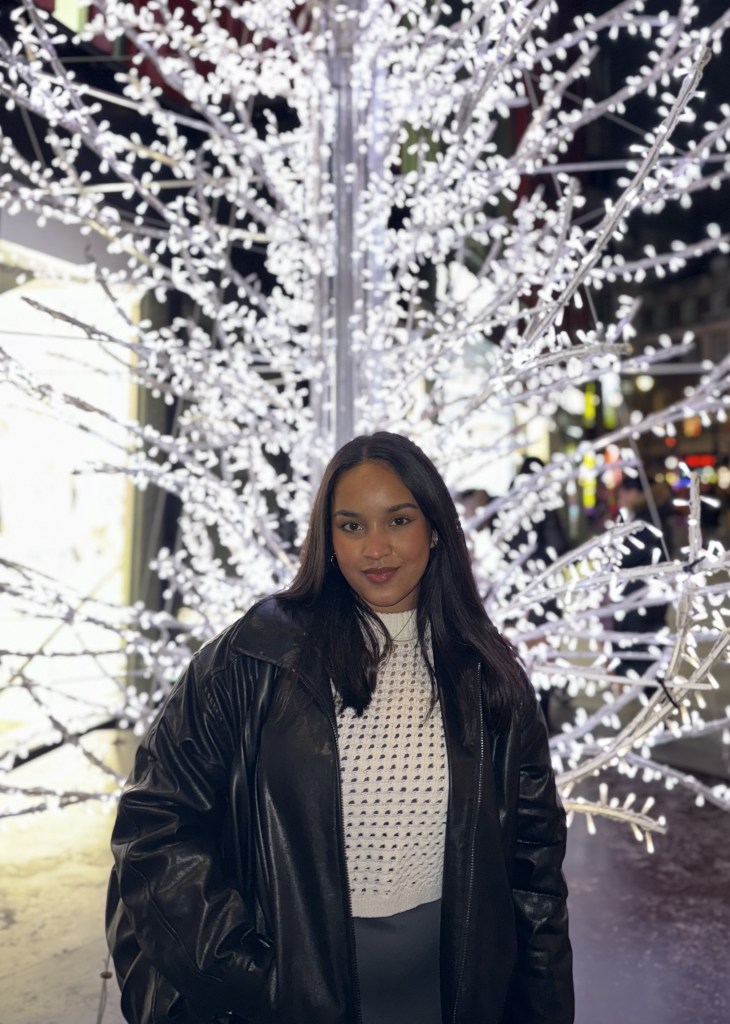
Nehlin Sayed: PhD candidate 2024-, co supervised by Prof David Murrell
I am a PhD student in the Genetics, Evolution, and Environment department at UCL, with a background in Biomedical Sciences and Bioinformatics. My research focuses on the use of airborne environmental DNA (eDNA) to monitor biodiversity. The methodology includes optimising air sampling techniques, analysing eDNA data to identify species, and developing models to understand how environmental factors influence eDNA distribution and detection. I am passionate about advancing ecological research to better understand and protect our planet’s biodiversity. In my spare time, I am an editor and junior ambassador of Green Shelter Society UK (GSSUK), a non-profit organisation dedicated to promoting sustainability and fostering a love for greenery, particularly among individuals with mental health challenges and disabilities.
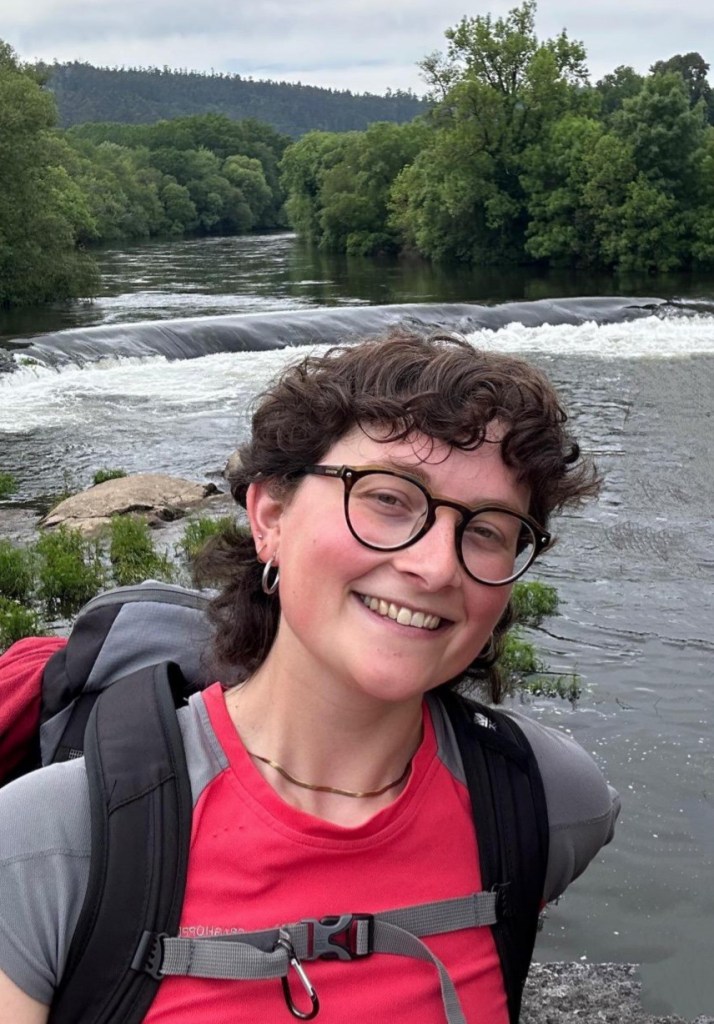
Jodie Lilley, Research Technician, 2025-
I am a research technician in the People and Nature Lab, and I will be providing support to projects exploring the use of airborne eDNA in biodiversity monitoring. My background spans evolutionary ecology in plants and insects, and high-throughput clinical diagnostics. In industry, I have worked as a laboratory scientist and supervisor at a qPCR COVID-19 medical diagnostic laboratory. As a research assistant in academia, I focused on investigating the geographic mosaic theory of coevolution in nursery pollinator systems at Lund University, and the epigenetic mechanisms of stress tolerance in plants at the Spanish National Research Council. Alongside research, I am passionate about the communication and translation of science into society, having worked and volunteered in education and art-based community engagement both in the UK and overseas.
MSci Student 2026: Si Feng
MRes Student 2025: Kat Cutler
MSc Student 2025: Zhenyan Ning
Former lab members
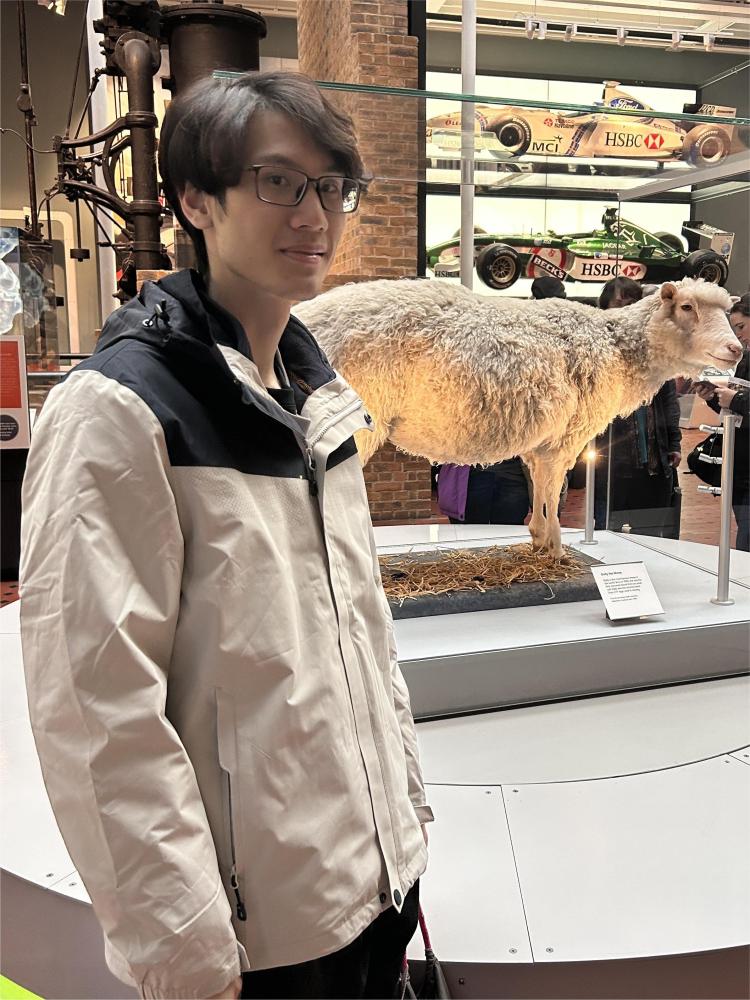
Boxian Wen: MRes candidate 2023-24
National and international law protects all 18 bat species and their roosts in the UK. My project explores innovative airborne eDNA techniques for bat surveying, addressing the challenges posed by current methods. It involves the molecular analysis of air samples from winter bat hibernacula to detect their presence using eDNA. This approach aims to reduce the disturbance to bat populations, improve species identification accuracy, and can potentially be incorporated into protocols for bat surveying.
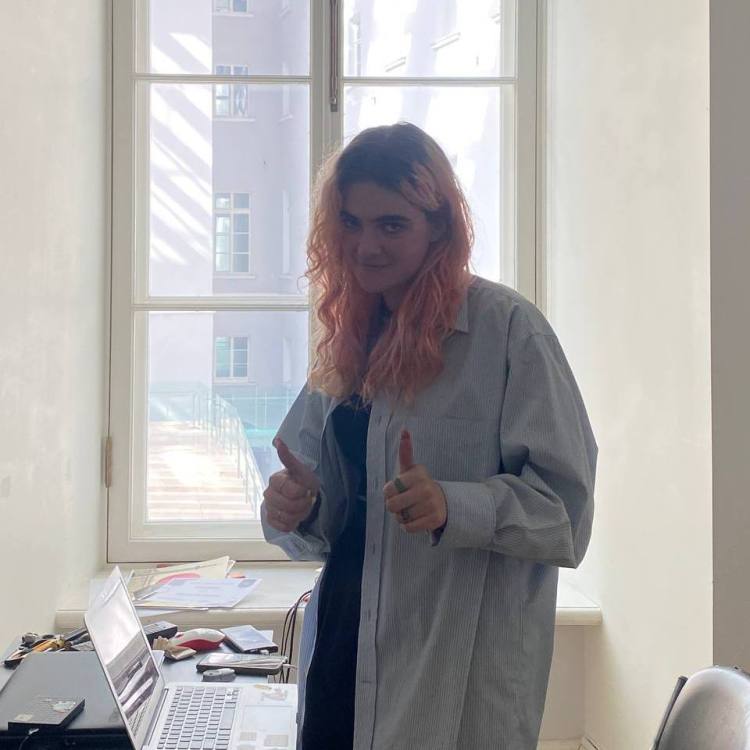
Alexandra Markitantova: MSc Ecology and Data Science 2023-24
I’m an Ecology and Data Science MSc student with a background in fisheries ecology. My project explores the possibility of using sedimentary eDNA to track historical changes in freshwater ecosystems. This method has the potential to aid in establishing ecological baselines and assessing the effects of human activities on natural habitats. For this project, the sediment cores were collected from ELA experimental lakes in Canada that have undergone ecological manipulations and have been closely monitored.
 Nature Counts Research Group